5 Cultural Differences to Know Before Traveling to Korea
In traveling to Korea, understanding the differences in everyday culture is as important as knowing tourist information.
Etiquette on public transport, tone of speech, and waste disposal methods are key to reducing misunderstandings.
Being prepared with basic considerations makes your trip more comfortable and enjoyable.
The Importance of Cultural Differences in Traveling to Korea
In Seoul or during free travel in Korea, minor actions can lead to misunderstandings. Therefore, knowing basic etiquette and lifestyle culture in advance is helpful.
This guide focuses on the everyday culture of Korea that often confuses foreign travelers. Knowing in advance allows for much more comfortable behavior on-site.
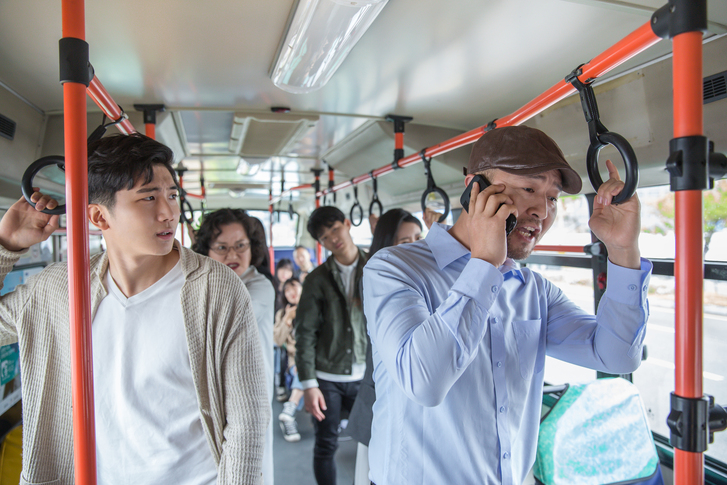
Should you be quiet on public transport?

Korea's subways and buses generally maintain a relatively quiet atmosphere. In spaces where many people are moving, it is common to refrain from phone calls or loud conversations.
It's generally better to keep phone calls short or avoid them altogether. Instead, many people communicate via messages.
- Avoid talking loudly on the subway or bus.
- Keep phone calls short or avoid them.
- Refer to the atmosphere of communicating through messages.
Why do people ask about age in Korea? (Honorific language culture)
Korea has a culture that values age and relationships (hierarchy). It is quite natural to ask about age when talking to someone for the first time.
There are also differences in speech, and using honorific language is considered basic etiquette. If you are not friends, polite expressions are preferred.
- Questions about age may come up between people who have just met.
- The basic form is honorific language (polite expressions).
- Knowing simple greetings and honorific language can be helpful.
Reasons for the scarcity of street trash cans and how to cope with it.
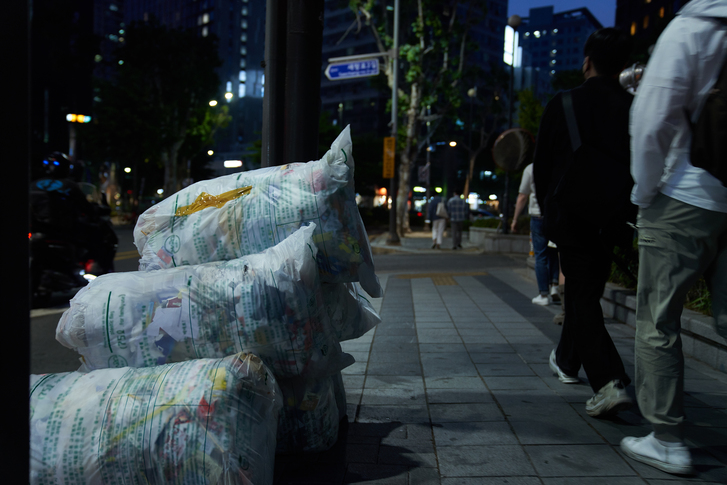
One aspect that may unexpectedly feel inconvenient during your trip to Korea is the lack of street trash cans. It is often difficult to find trash cans on the streets.
This is related to the recycling policy and management style, and it is common for most trash to be disposed of at home or in accommodations.
- Street trash cans may be hard to find.
- Trash is often disposed of at accommodations.
- It is convenient to prepare small trash bags in advance.
How far should you go with waste separation in Korea?

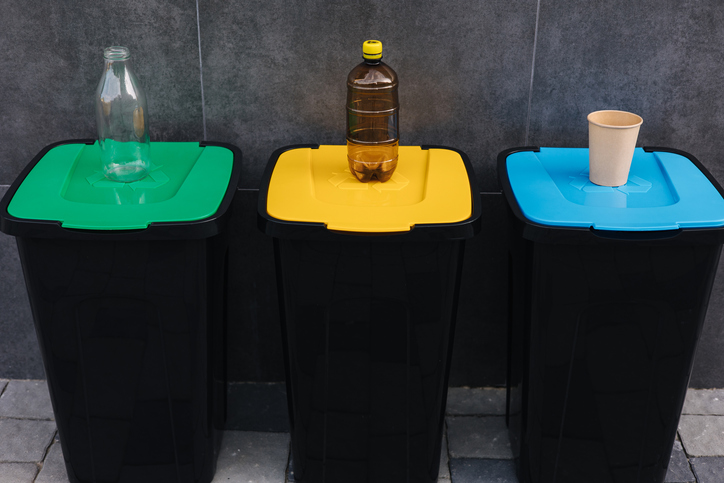
In Korea, waste separation is considered important. It is essential to distinguish between general waste, recyclables, and food waste.
Many hotels or accommodations provide guidelines for waste separation, so it's best to follow their instructions when disposing of waste. Although it may seem like a small action, it can be seen as a way to respect local culture.
| Classification | Examples/Points |
|---|---|
| General Waste | Everything other than recyclables and food waste |
| Recyclables | Refer to the items indicated for separate disposal |
| Food Waste | Handle separately according to accommodation guidelines |
Practical checklist to enhance travel satisfaction

Seemingly trivial aspects like public transportation etiquette, tone of voice, and waste disposal can significantly impact your travel experience. Understanding cultural differences can help you respond more confidently in unfamiliar situations.
Additionally, the methods of making restaurant reservations, visiting hospitals in Korea, and using popular eateries may vary. It is helpful to familiarize yourself with the reservation process or usage flow in advance.
- Public Transportation: Consider silence as a basic etiquette
- Conversation: Prioritize honorifics and polite expressions
- Trash: Prepare bags + check accommodation guidelines
- Reservations/Usage: Confirm local methods (reservations, procedures) in advance
Frequently Asked Questions (FAQ)
Is it okay to make phone calls on public transportation in Korea?
Rather than stating that calls are prohibited, it's more common to refrain from talking loudly or making phone calls in quiet settings. If necessary, people often keep calls short or use messages instead.
Is it rude if someone asks my age when we first meet?
In Korea, age and relationships are considered important, so questions about age can naturally arise even among people meeting for the first time. It may be understood in the context of determining the appropriate speech level (honorifics).
What should I do if there are no trash cans on the street?
It can be difficult to find trash cans on the streets, so it's common to dispose of trash at your accommodation. Preparing small trash bags can be convenient while on the move.
Is it mandatory to separate recyclables at the accommodation?
In Korea, separating recyclables is considered important, and many accommodations provide guidelines. It's advisable to refer to the instructions and separate general waste, recyclables, and food waste accordingly.
This content is intended for general informational purposes and may vary based on individual circumstances and locations. Please prioritize checking local guidelines and regulations during your travels.