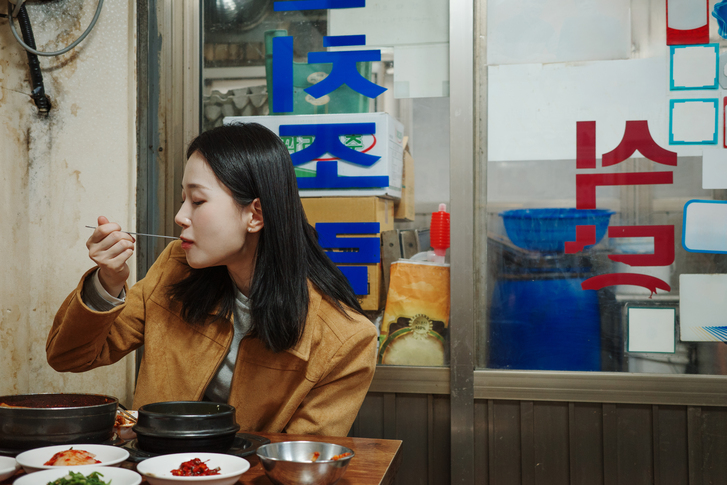
5 Tips to Avoid Confusion in Korean Restaurants
In Korean restaurants, it is common to call for service when you need it.
Side dishes and kimchi are served as a standard, and some places allow for additional requests.
Checking the availability of dining alone and whether a reservation or wait is needed can significantly reduce the difficulty of the meal.
Dining Alone: Where is it Comfortable and Where is it Challenging?
Who it’s good for: Useful for those who want to quickly resolve meals while traveling alone.
Why it’s recommended: Dining alone is becoming increasingly natural in Korea, and if you choose the right places, you can enjoy it comfortably.
Cafes, snack bars, and soup restaurants are places where you can easily see people dining alone. In contrast, meat restaurants or some traditional eateries may require orders for two or more, which can limit entry.
If you're alone, choosing places with simple menus and quick table turnover can reduce the burden.
- If you're alone, opt for restaurants that focus on 'simple menus'.
- Seats that rotate quickly are relatively comfortable.
- Some meat restaurants and traditional eateries may have a two-person order requirement.
- Check in advance whether 'one person is allowed' before entering.
When unsure if you can press the table call button.
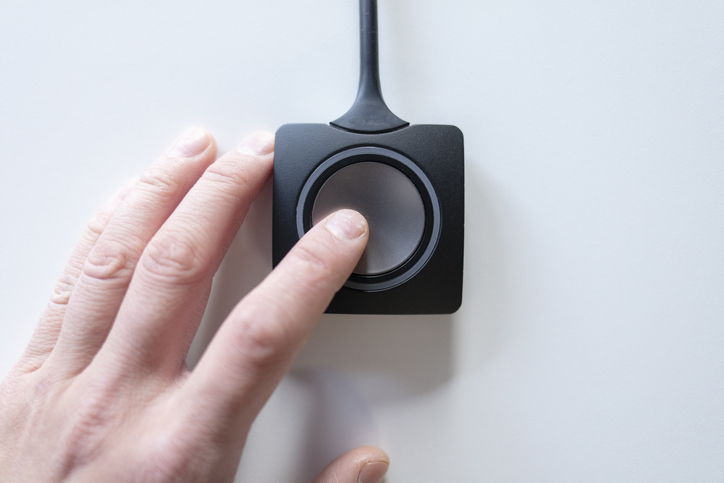
Who it’s good for: It’s helpful for travelers who are confused and wonder, 'Why isn’t anyone coming?' when staff don’t arrive promptly.
Why it’s recommended: In Korean restaurants, it's common to call staff using a button when needed, which can reduce waiting time.
If there’s a small button on the table, it’s usually a 'call button.' You can also use it for ordering, additional requests, or asking for the bill.
It may feel awkward at first, but it becomes comfortable once you accept it as a natural way to use the service.
- Using the button to call staff is generally a natural practice.
- Can be used for ordering, additional requests, and asking for the bill.
- This may differ from the Western style where 'staff come first.'
Kimchi and side dishes are provided as a standard; how about additional requests?
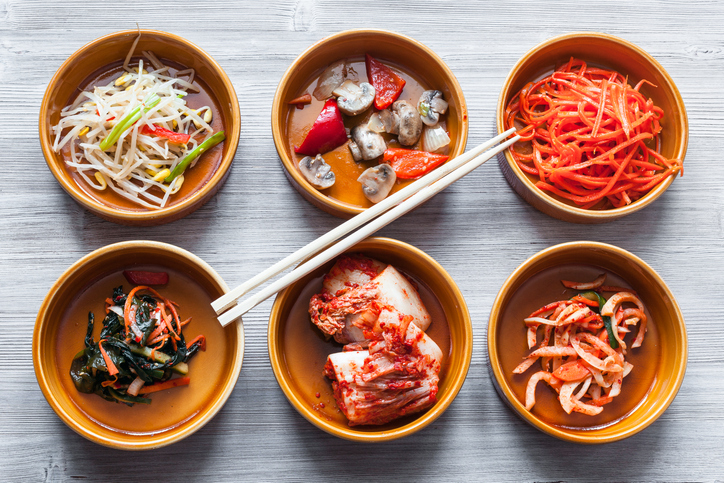
Who it’s good for: It helps those who are confused about whether 'this is service or an additional charge.'
Why it’s recommended: In Korean restaurants, side dishes are often served as a standard, so knowing the rules can enhance your experience.
Various side dishes, including kimchi, may be served with the meal. It is generally understood that most can be used without additional charges.
You can request more of your favorite side dishes, and some restaurants operate in a self-serve bar style. However, it is considered basic etiquette to take only what you need to reduce food waste.
- Side dishes are sometimes provided as a standard.
- There are places where you can request additional side dishes.
- Some operate in a self-serve bar format.
- It is good manners to take only what you need.
Should you tip? Cultural differences when paying.

Who it’s good for: This is suitable for those who are wondering, 'Is it rude not to tip?'
Why it’s recommended: In Korea, it is introduced as a culture where tips are not given separately, making the payment process simpler.
It is common to explain that the service charge is included in the food price. Therefore, it is indicated that there is no need to pay an additional amount when settling the bill.
Instead, it is said that a simple expression of gratitude is sufficient, which can reduce unnecessary worries.
- Korea is introduced as a culture where tips are not given separately.
- There is less concern about additional amounts when paying.
- Just wrap it up with a thank you.
Waiting in line for popular restaurants: Tips for reducing reservation and waiting times.

Who it’s good for: This is great for those with a short travel itinerary in Seoul who find 'waiting in line' burdensome.
Why we recommend it: Famous restaurants often have long waits, but you can reduce stress by choosing the right time and confirming your reservation.
It's common to wait in line during dinner hours or on weekends. Checking if reservations are possible before your visit can be helpful.
Some restaurants may not have a well-established reservation system, or it might be difficult for foreigners to use. If your schedule is tight, it's suggested to aim for relatively less busy times.
- High likelihood of waiting during dinner and weekends
- Check reservation availability before visiting
- Some places may have inconvenient reservation systems
- Reduce waiting time by choosing less busy hours
Frequently Asked Questions (FAQ)
Is it okay to enter a Korean restaurant alone?
Dining alone is becoming more common, but some meat restaurants and traditional eateries may require orders for two or more. If you're alone, it's easier to choose a restaurant with simple menu options.
What should I do if the staff doesn't come?
If there's a call button at your table, it's usually used to summon the staff. It can be used for ordering, additional requests, or asking for the bill.
Can I ask for more side dishes?
Depending on the restaurant, additional requests may be possible, and some operate as self-service bars. It's best to request only what you need to reduce food waste.
Do I have to give a tip?
Korea is introduced as a culture where tipping is not customary. There is no need to pay an additional amount when settling the bill, and a simple thank you is considered sufficient.
This content is intended for general travel information purposes, and the operating methods may vary depending on the store or situation. Please check for on-site guidance before your visit.