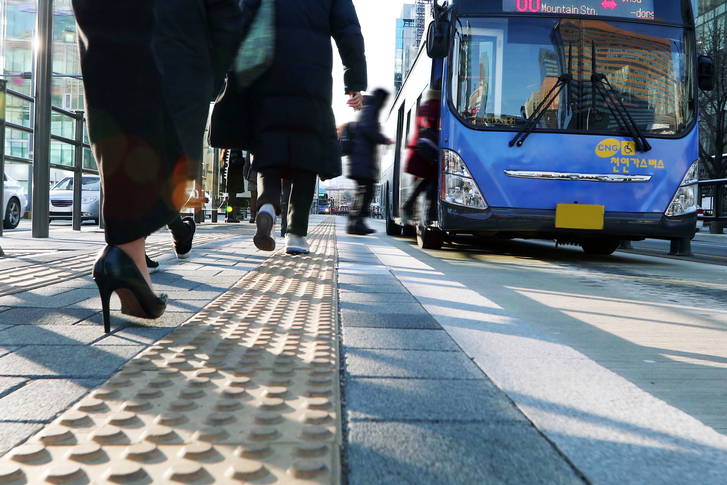
How to Use Buses in Korea for Foreigners: A Simple Guide
Korean buses are distinguished by color and number, and it's easy to understand if you know the basic rules.
Transportation cards need to be tagged both when boarding and alighting, and failing to tag may result in additional charges.
Once you get the hang of the manners at bus stops and on the bus, as well as the timing for pressing the stop button, your travel routes will become more flexible.
What are the advantages of Korean buses over subways?
When preparing for a trip to Korea, people often find subways familiar but may feel that buses are more challenging.
However, once you understand the system, buses are convenient and have the advantage of reaching a wider variety of locations than subways.
Are Korean bus types distinguished by color?
Korean buses are primarily categorized by color and number. It can be confusing at first, but once you understand the basic structure, it becomes easy to grasp.
As a traveler, you will typically use the blue and green buses the most.
| Color | Representative Role |
|---|---|
| Blue | Main urban intercity travel |
| Green | Local buses connecting to the subway |
| Red | Long-distance travel (express buses) |
| Yellow | Specific area circulation |
How do you pay for bus fares, and when do you tag?

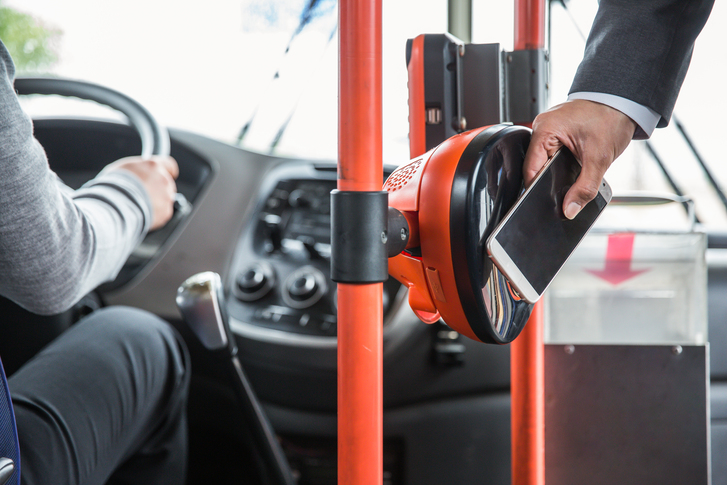
In Korea, it is more common to use a transportation card than cash for buses. You tag your transportation card when boarding.
You must also tag when getting off. If you do not tag when getting off, you may incur additional charges, so it's good to remember this.
Using a transportation card allows you to receive discounts when transferring to the subway, making it more economical.
- Tag your transportation card when boarding
- Tag your transportation card when getting off
- Additional charges may apply if you do not tag off
- Transfer discounts are available when using a transportation card
How do you board a bus at a bus stop?
In Korea, buses may not automatically stop just by waiting at the bus stop. It helps to check the bus you want to board and signal your intention to board when the bus arrives.
Additionally, it is common to line up and board in an orderly manner. It is convenient to check the bus arrival times through the display board at the bus stop.
- Check the bus number you will board
- Signal your intention to board when the bus arrives
- Line up and board in an orderly manner
- Check arrival times on the display board at the bus stop
What are the manners and safety tips to observe on the bus?

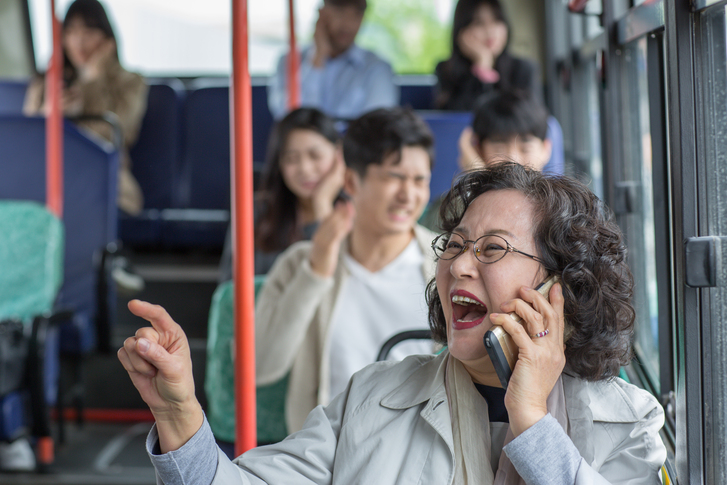
In Korea, basic manners are considered important when using public transportation. It is advisable to refrain from loud phone calls and to avoid eating food.
It is recommended to keep the priority seats vacant. If you cannot sit down, hold onto the handrail and pay attention to safety.
- Refrain from loud phone calls
- Avoid eating food
- Keep the priority seats empty
- Hold onto the handrail when standing
Practical checklist for first-time foreign bus riders
Using a map app can be helpful when taking a bus in Korea for the first time. You can check the real-time bus location, making your travel much easier.
Make sure to check the bus number accurately, and if you confirm the stops near your destination in advance, you can reduce mistakes.
Also, Korean buses require you to press the stop button before arriving at your stop, so it's important to prepare in advance before your stop.
- Check real-time bus location with a map app
- Check the bus number accurately
- Confirm the stops near your destination in advance
- Press the stop button in advance
Frequently Asked Questions (FAQ)
Why is a stop tag needed for Korean buses?
According to the original text, if you do not tag when getting off, additional fees may be charged. Therefore, it is important to take care of both the boarding and the getting off tag.
Does the bus always stop automatically when waiting at a stop?
The original text explains that there may be cases where the bus does not stop automatically. It is helpful to check the bus number and indicate your intention to board when the bus arrives.
What is the most commonly used bus color by travelers?
The original text summarizes that the most frequently used colors are usually blue (for intercity travel) and green (for buses connecting to subway areas).
What are the basic manners to be aware of on the bus?
It is introduced as basic manners to refrain from loud phone conversations, avoid eating food, and keep the seats for the elderly and disabled vacant. When standing, hold onto the handrails for safety.
This content is intended for general informational purposes and may vary depending on individual circumstances and local operational practices. Please check the local guidance and on-site signs for accurate usage methods.