What to Wear When Traveling in Korea: Seasonal Packing Tips
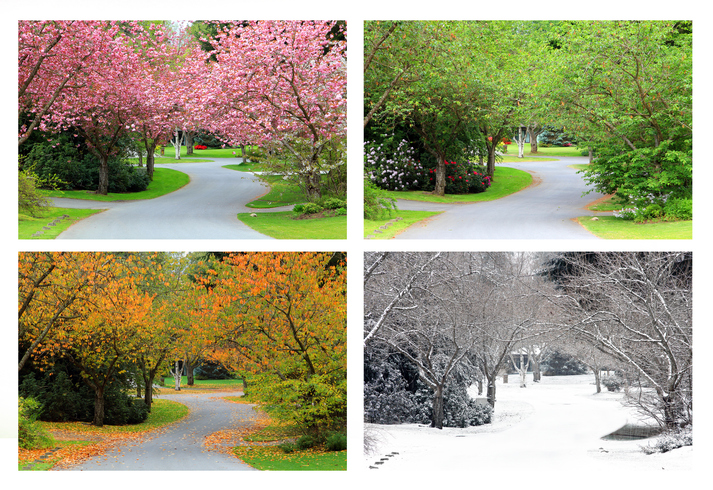
Korea has four distinct seasons, so your clothing will vary greatly depending on the time of your visit.
In spring and autumn, there is a large temperature difference between day and night, while summer is hot and humid, requiring preparation for the monsoon.
Winter is cold and dry, and the wind can make it feel even colder, making winter gear essential.
- ✓Spring: March to May
- ✓Summer: June to August
- ✓Autumn: September to November
- ✓Winter: December to February
Characteristics of Korean Weather: Why is Clothing Confusing?
When preparing for a trip to Korea, choosing the right clothing can be a challenge for many travelers. This is because the items needed vary by season, even within the same country.
Especially on days when there can be a significant temperature difference within a single day, packing based solely on the average temperature may not be sufficient.
- Spring/Fall: Large temperature difference
- Summer: Hot and humid
- Winter: Very cold and dry
Spring (March to May) Clothing Recommendations for Traveling in Korea
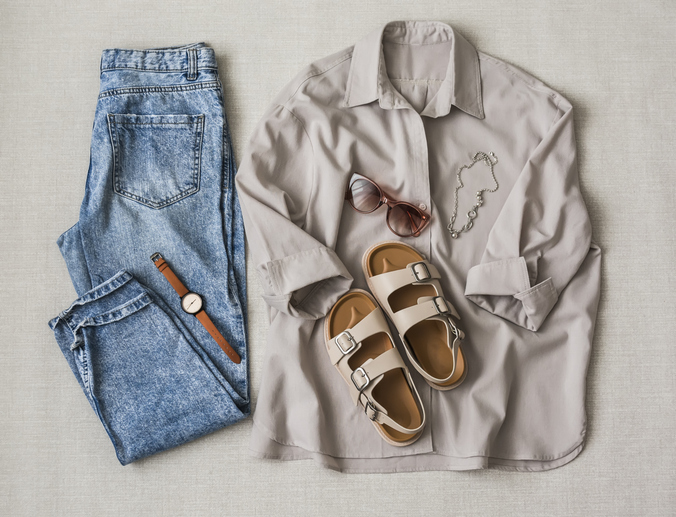
Spring is a great season for travel, but the weather can change frequently. Even if it's relatively warm during the day, it can be chilly in the morning and evening, making outerwear important.
It's convenient to prepare items that can be easily put on and taken off throughout your itinerary.
- Lightweight knitwear or long-sleeve shirts
- Light jacket or windbreaker
- Long pants
Summer (June to August) Packing for Hot and Humid Weather

Korean summers are hot and humid, which can make the temperature feel even higher. It's helpful to prepare breathable clothing and shoes.
Additionally, since there is a rainy season, packing items for rain will make traveling much easier.
- Short-sleeve t-shirts
- Shorts or thin pants
- Sandals or breathable shoes
- Sunglasses, hat
- Umbrella or waterproof items
Fall (September to November) is pleasant but requires layering

Fall is considered the most pleasant season in terms of weather. However, as late fall approaches, temperatures can drop quickly, so preparation is necessary.
Utilizing a layered style with thin clothing makes it easier to adjust to changing temperatures.
- Long-sleeve top
- Cardigan or thin coat
- Jeans
Is winter (December to February) cold-weather gear absolutely necessary?
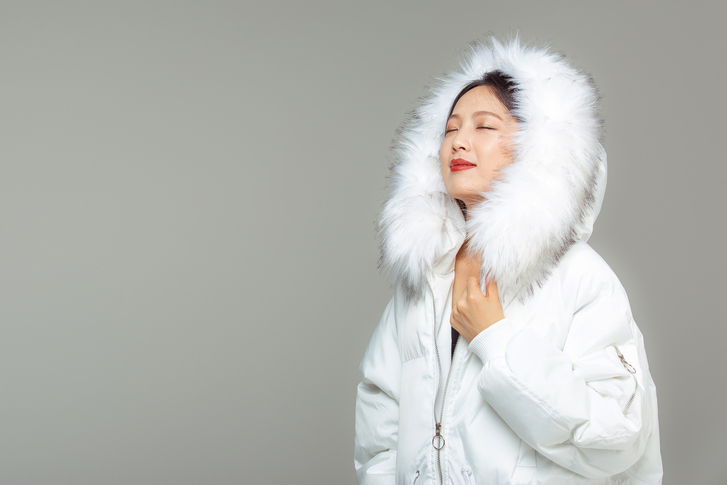
Korean winters are much colder and drier than you might expect. On windy days, the perceived temperature can drop even lower.
Bringing warm outerwear along with cold-weather gear to protect your neck, hands, and head can reduce discomfort while moving around.
- Thick padding or coat
- Scarf, gloves, hat
- Fleece-lined pants or thermal underwear
Checklist of essentials that travelers often overlook
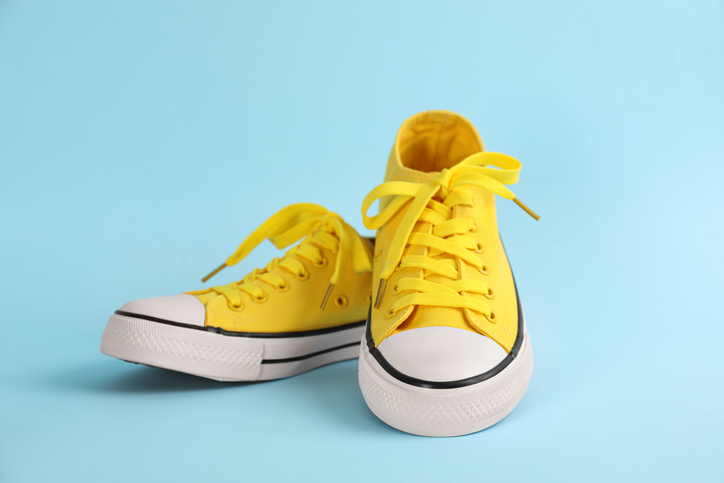
In addition to seasonal clothing, there are items that can enhance your satisfaction during the trip. Since walking is common in Korea, choosing the right shoes can be particularly important.
It's convenient to pack simple accessories considering light rain and shopping routes.
- Comfortable sneakers (many walking itineraries)
- Small umbrella
- Extra bag (useful for shopping)
- Sunscreen (needed year-round)
| Season | Weather characteristics | Key recommended items |
|---|---|---|
| Spring (March to May) | Large temperature differences and frequent changes | Light long-sleeve shirt + light outerwear + long pants |
| Summer (June to August) | Hot and humid·Rainy season | Light clothing + breathable shoes + umbrella/waterproof |
| Autumn (September to November) | Pleasant·Late autumn temperature drop | Long sleeves + cardigan/thin coat + layered |
| Winter (December to February) | Very cold and dry·Windy | Thick outerwear + winter gear + thermal underwear/long johns |
Frequently Asked Questions (FAQ)
Do I only need to consider the average temperature for my clothing in Korea?
There can be significant temperature differences within a single day, so relying solely on the average temperature may not be sufficient. It's safer to prepare adjustable items like outerwear.
What are the essential items for spring and autumn?
Due to large temperature fluctuations, lightweight jackets/windbreakers and cardigans that can be layered are useful.
Why should I bring an umbrella or waterproof items in summer?
There may be a rainy season, so it's necessary to be prepared for rain. An umbrella or waterproof items can help during travel.
How cold is winter in Korea?
According to the original source, it is described as 'very cold and dry,' and the strong winds can make the perceived temperature lower. It is recommended to prepare thick outerwear and winter gear.
This content is intended for general informational purposes, and the necessary preparations may vary depending on individual schedules, activity levels, and perceived temperatures.