Difference Between Gochujang, Soy Sauce, and Doenjang? A Guide to Korean Food Flavors
The basic flavors of Korean cuisine start with fermented condiments like gochujang, ganjang, and doenjang.
By understanding the roles and uses of these three, it becomes easier to predict the taste just by looking at the menu names.
From traveling in Seoul to free travel in Korea, this helps you enjoy the food experience more deeply.
Why is it good to know about Korean fermented condiments before traveling?
When searching for Korean restaurants, the common secret of flavor that frequently appears is gochujang, ganjang, and doenjang. These three are not just simple seasonings but are considered the foundation of Korean food and the core of its long culinary culture.
If you want to truly enjoy the food experience not only in Seoul but throughout your free travel in Korea, knowing the characteristics of these fermented condiments will be helpful. It makes menu selection easier and can make the food feel more interesting.
The beginning of fermented condiments: from meju to doenjang and ganjang
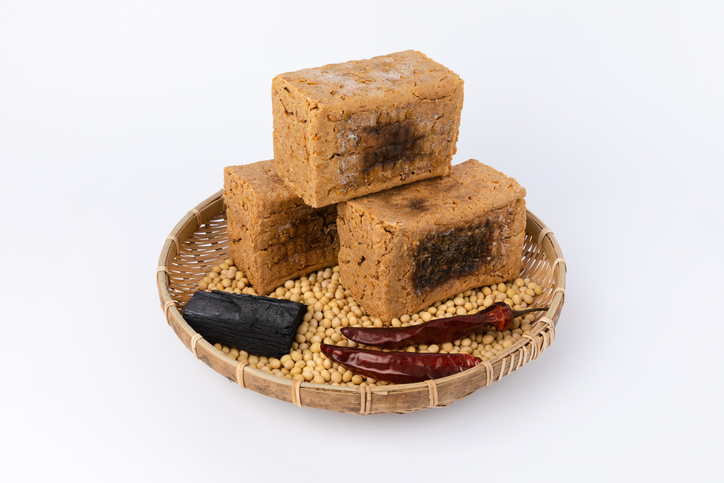
Korea's fermentation culture is said to have developed in ancient agricultural societies for preservation in times without refrigeration. At the center of this were doenjang and ganjang.
Various seasonings have been created using meju, which is made by fermenting soybeans, and over time, different methods have developed in various regions. It can be summarized that this fermentation method has continued to contribute to the deep flavors of Korean cuisine.
Soy Sauce: The most fundamental 'seasoning' in Korean cooking
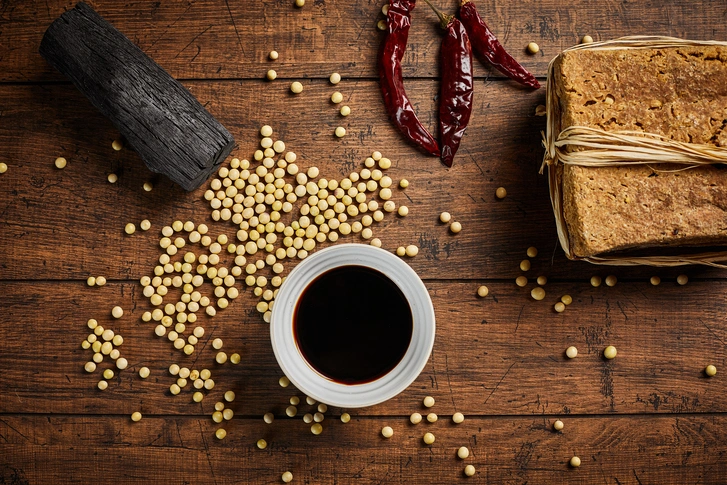
Soy sauce is introduced as the most basic seasoning in Korean cuisine. It is used in almost all dishes, including soups, stews, stir-fries, and side dishes, playing a role in adjusting the seasoning of the food.
It is also mentioned as a flavor that may feel relatively familiar to travelers experiencing Korean food for the first time. It is characterized not only by its saltiness but also by its umami flavor.
- Used in various dishes such as soups, stews, stir-fries, and side dishes
- Basic role in adjusting the 'seasoning' of food
- Characterized by a combination of saltiness and umami
Doenjang: A traditional flavor with a rich and deep taste
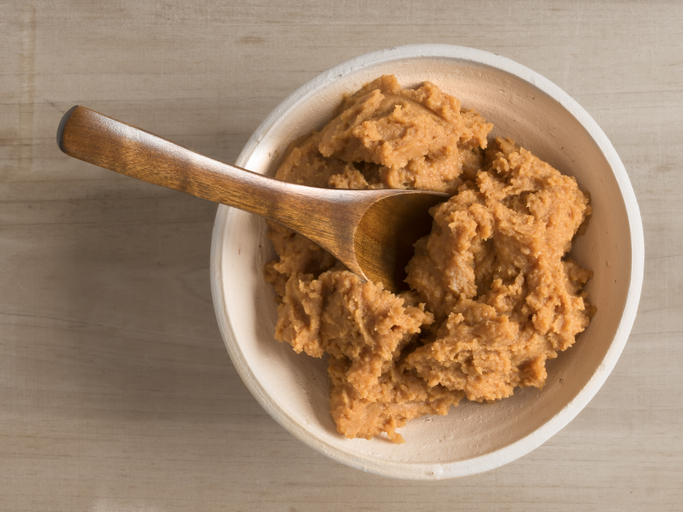
Doenjang is a seasoning made by fermenting soybeans and is said to play an important role in traditional Korean cuisine. Doenjang jjigae is mentioned as a representative dish, characterized by its rich and deep flavor.
If you want to experience traditional meals during your free travel in Korea, it is recommended to taste dishes made with doenjang. It is mentioned as a food that locals often enjoy.
- Utilized in traditional dishes as a fermented soybean seasoning
- Representative dish: Doenjang jjigae
- Flavor impression: Richness and deep flavor
Gochujang: A key ingredient with spiciness, sweetness, and umami
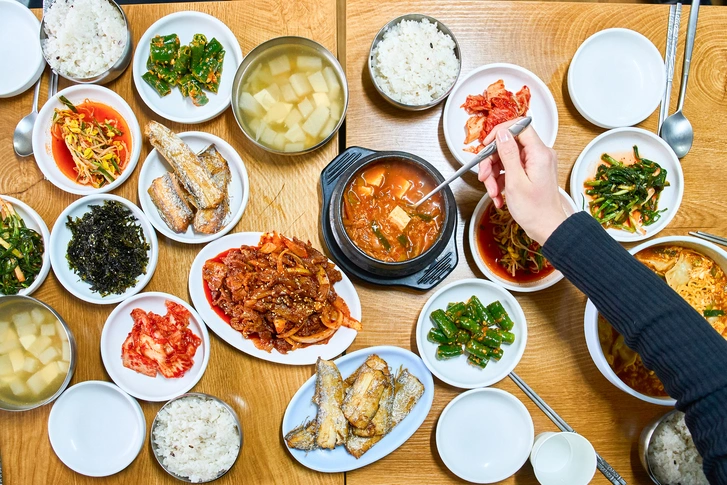
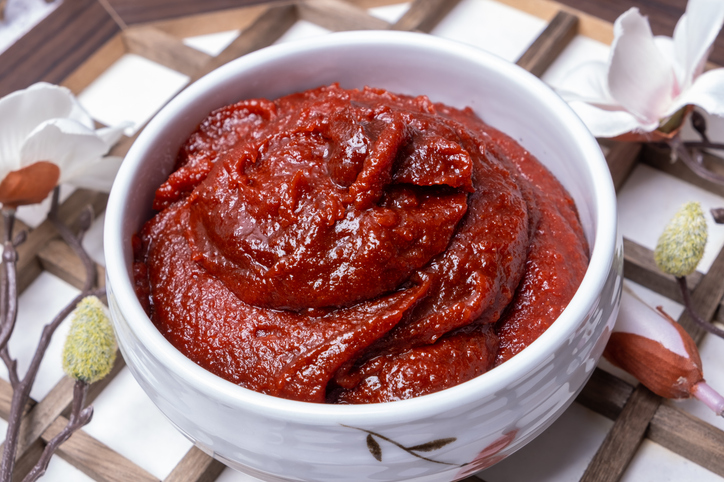
Gochujang is introduced as a seasoning that represents the spiciness of Korean food. It is made by fermenting gochugaru, glutinous rice, and meju, and it is summarized that it is not just spicy but also harmonizes sweetness and umami.
It is mentioned that you can experience the flavor of gochujang in various dishes such as bibimbap, tteokbokki, and bulgogi sauce. This helps evoke the taste of a sweet and spicy direction.
- Ingredients/Base: gochugaru, sweet rice, fermented soybean paste
- Taste Impression: Spicy + Sweet + Umami
- Examples: bibimbap, tteokbokki, bulgogi sauce
Tip for choosing a menu: Predicting taste just by the name
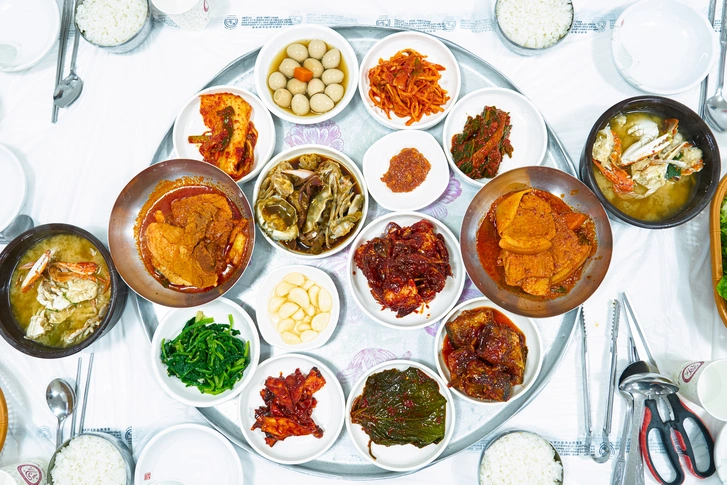
The original text states that it can be difficult to anticipate the taste of Korean food just by the menu name. However, knowing the characteristics of soy sauce, doenjang, and gochujang makes it easier to choose.
For example, dishes containing doenjang can be expected to have a savory taste, while those with gochujang can be expected to have a sweet and spicy flavor. This is particularly useful when visiting various restaurants during your trip to Seoul.
- If you see ‘doenjang’: think of a savory taste
- If you see ‘gochujang’: think of a sweet and spicy taste
- Knowing these three condiments makes it easier to approach unfamiliar menus
Frequently Asked Questions (FAQ)
There is an impression that Korean food is only ‘salty or spicy,’ but what is it really like?
The original text describes the characteristics of Korean food as ‘a deep flavor that comes from fermentation.’ It explains that soy sauce, doenjang, and gochujang play different roles while harmonizing to create complex flavors.
What condiment might feel most familiar to beginner travelers of Korean cuisine?
The original text mentions that soy sauce can be perceived as a relatively familiar taste when first encountered. It is used in various dishes such as soups, stews, stir-fries, and seasoned vegetables, playing a role in seasoning.
What seasonings should I choose if I want to experience traditional Korean meals?
The original text introduces doenjang as an important seasoning in traditional Korean cuisine, mentioning doenjang jjigae as a representative dish. It guides you to taste doenjang dishes when you desire a traditional meal.
Is there a way to quickly predict the taste from the menu?
The original text summarizes that if 'doenjang' is included, you can expect a savory taste, and if 'gochujang' is included, you can anticipate a sweet and spicy flavor. Knowing the characteristics of soy sauce, doenjang, and gochujang makes it easier to choose from the menu.
This content is intended for general informational purposes, and experiences may vary based on individual preferences and circumstances. When choosing food while traveling, make decisions considering your personal taste and condition.