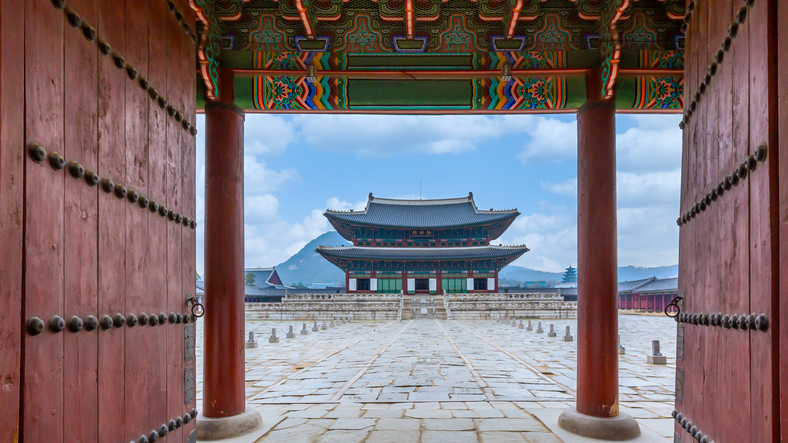
Which 5 UNESCO World Heritage Sites in Korea Are Worth Visiting?
World Heritage sites in Korea are a key course for deeply experiencing history, culture, and nature during your free travel.
You can choose themes from Seoul's palaces, fortress walls, Buddhist heritage, to Jeju's natural heritage.
Some areas may require reservations, so be sure to prepare rules, routes, and schedules together.
Why should we plan our itinerary around Korean World Heritage travel?
For foreigners traveling to Korea for the first time, it is easier to find places where they can experience history and culture in a more dimensional way rather than just visiting tourist spots. At this time, UNESCO World Heritage sites are options where you can compactly experience traditional, architectural, natural, and cultural values.
If you expand your travel range beyond just Seoul to the provinces, organizing your route around World Heritage sites simplifies your travel preparations. Each city has a different character, making it easy to combine according to your preferences.
Seoul Palace Course: What makes Gyeongbokgung special?
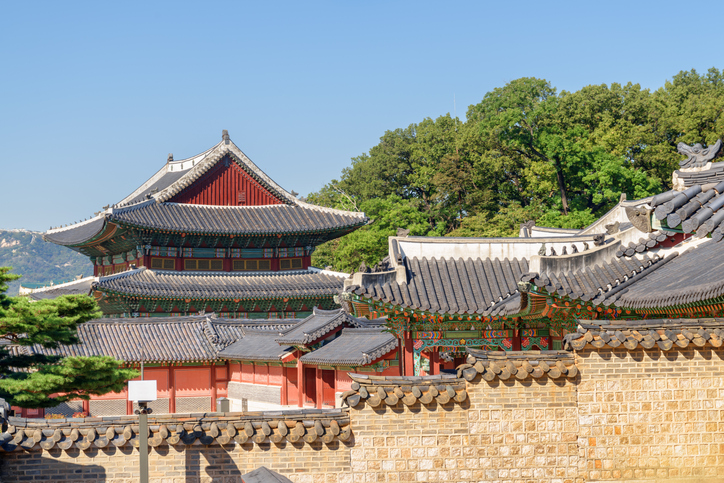
A theme that is hard to miss when traveling in Seoul is the palaces from the Joseon Dynasty. Among them, Gyeongbokgung Palace is introduced as a place where you can directly experience the beauty of traditional Korean architecture and royal culture.
Inside the palace, you can see traditional events like the changing of the guard ceremony, and wearing a hanbok during your visit can make the experience even more special. It is also mentioned as a 'first historical course' for beginners in independent travel.
- Viewing Joseon royal palace culture and traditional architecture together
- Possibility of watching traditional events (such as the changing of the guard)
- Enhanced experience when visiting in hanbok
- Representative historical course easy to include in your Seoul itinerary
Should you definitely check reservations for Changdeokgung Palace and Biwon (Rear Garden)?
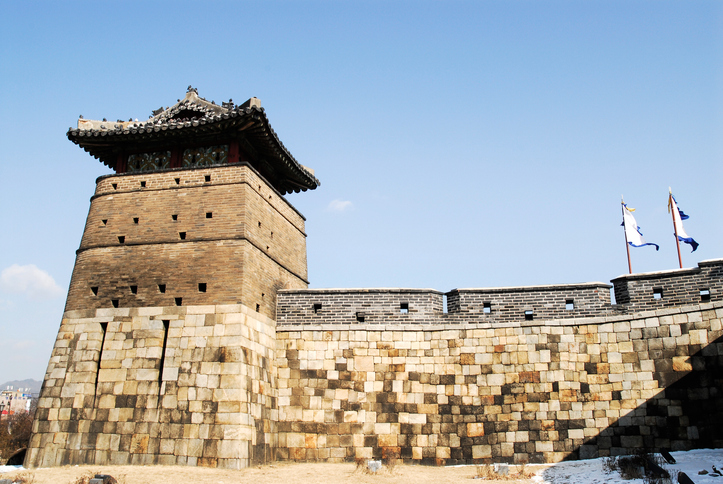
Changdeokgung Palace is a palace designated as a UNESCO World Heritage site, known for its design that preserves the natural terrain. It is a course suitable for travelers who want to see 'the harmony of nature and architecture.'
In particular, Biwon (Rear Garden) is known as a space where kings took their rest, showcasing different landscapes in each season. However, it is emphasized that it is important to check the reservation methods before visiting, as there may be areas that require advance booking.
- Palace design that preserves the natural terrain is a characteristic
- Biwon (Rear Garden) features seasonal landscapes as a highlight
- Some areas may require advance reservations
- It is recommended to check reservation methods and viewing routes before visiting
Day trip near Seoul: How to explore Suwon Hwaseong?
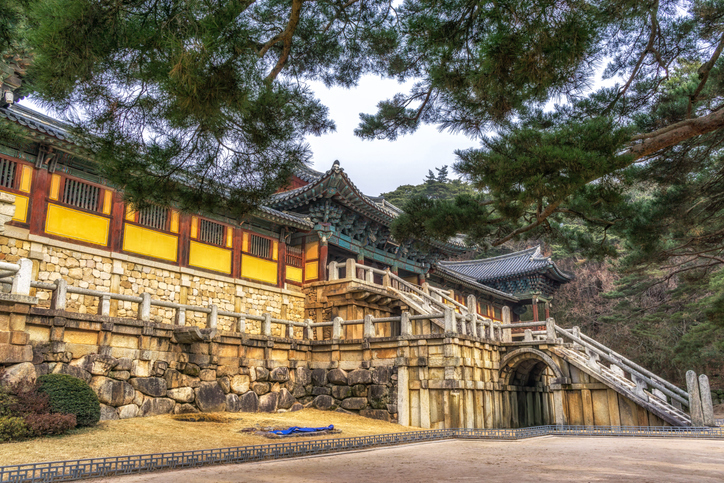
Suwon Hwaseong, recommended as a nearby destination from Seoul, is introduced as a representative heritage showcasing scientific architectural techniques from the late Joseon period. The route along the fortress itself becomes the core of the journey.
Walking along the fortress allows you to see the entire city at a glance, and it is mentioned that the night view is also beautiful. A key point is that it is accessible by public transportation from Seoul, making it suitable for a day trip.
- Cultural heritage sites around Seoul that are good to group together
- Scenic views along the fortress walking route
- Also mentioned as a point for enjoying the night view
- Accessible by public transportation, making it suitable for a day trip
Cultural heritage in the provinces: What do Bulguksa and Seokguram mean?
If you want to understand Korea's traditional religious culture, Bulguksa and Seokguram are introduced as 'must-visit places.' These two sites are noted as representative world heritage sites showcasing Buddhist art and architectural techniques from the Silla period.
When planning a local travel course, it is included as a tip that combining it with Korean restaurants can enrich the experience. In other words, it is a way to design a trip that includes cultural heritage viewing and local travel together.
Jeju's natural heritage: Who is recommended to visit the volcanic island and lava caves?

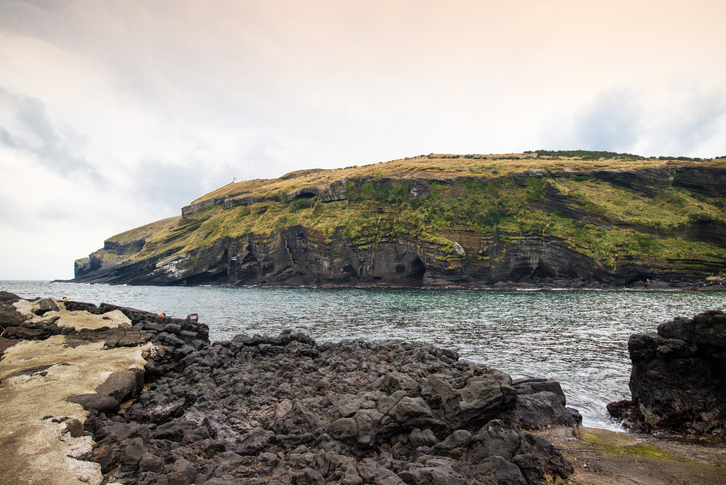
If you want to experience Korea's natural heritage, Jeju Island is presented as a good option. Jeju's volcanic island and lava caves are introduced as world heritage sites showcasing unique topography and ecosystems.
It is particularly recommended for travelers who love nature, and it is suggested to include Jeju as a 'nature experience itinerary' after a trip to Seoul.
| Travel themes | Recommended world heritage sites | Itinerary planning points |
|---|---|---|
| Palaces and traditional architecture | Gyeongbokgung Palace | Immerse Yourself in Traditional Events and Hanbok Experiences |
| Nature + Palace Gardens | Changdeokgung Palace and Biwon (Secret Garden) | Check Reservation Methods for Certain Areas in Advance |
| Walk Along the Fortress Walls and Enjoy the Night View | Suwon Hwaseong Fortress | One-Day Itinerary Around Seoul |
| Understanding Buddhist Culture | Bulguksa Temple and Seokguram Grotto | Combine with Local Courses (Restaurants, etc.) |
| Natural Terrain and Ecology | Jeju Volcanic Island and Lava Caves | Arrange a Nature-Centered Itinerary After Seoul |
Travel Tips and Precautions Before Visiting World Heritage Sites
Most of Korea's World Heritage sites are protected, so there are often viewing rules in place. Popular locations may have visitor limits or require reservations, making it important to prepare in advance.
Additionally, during independent travel, elements such as dining at popular restaurants, transportation, and hospital visits (depending on personal schedules) can overlap, so knowing how to manage the overall itinerary and make reservations in advance is key to enhancing the quality of your trip.
- Check in advance if there are viewing rules
- Popular locations may have visitor limits or require reservations
- Confirm reservation methods and routes before visiting
- Plan transportation, meals, and experiences together
- Organize the entire trip's reservations/schedule in advance
Frequently Asked Questions (FAQ)
Is it enough to just visit Seoul for World Heritage sites?
The original text suggests that it is better to plan an itinerary centered around World Heritage sites when considering travel to both Seoul and the provinces. It presents a way to combine palaces, fortress walls, Buddhist heritage, and natural heritage according to your preferences.
Is it necessary to make a reservation for Changdeokgung Biwon (Secret Garden)?
According to the original text, it only mentions that 'there are areas that require advance reservations.' It emphasizes the importance of checking reservation methods before visiting.
Can Suwon Hwaseong be visited in a day?
The original text states that it is accessible by public transportation from Seoul, making it suitable for a day trip.
What is the most important tip for preparing for a World Heritage trip?
It is important to check in advance the viewing rules, capacity limits, and whether reservations are required, as well as to prepare for overall itinerary management and reservation methods, including transportation, meals, and personal schedules.
This content is intended for general informational purposes and may vary based on individual travel itineraries and on-site operational policies. Please check the official guidelines before your visit for accurate viewing rules and reservation requirements.