Why Do Korean Women Have Great Skin? Moisturizing, Exercise, and Skincare
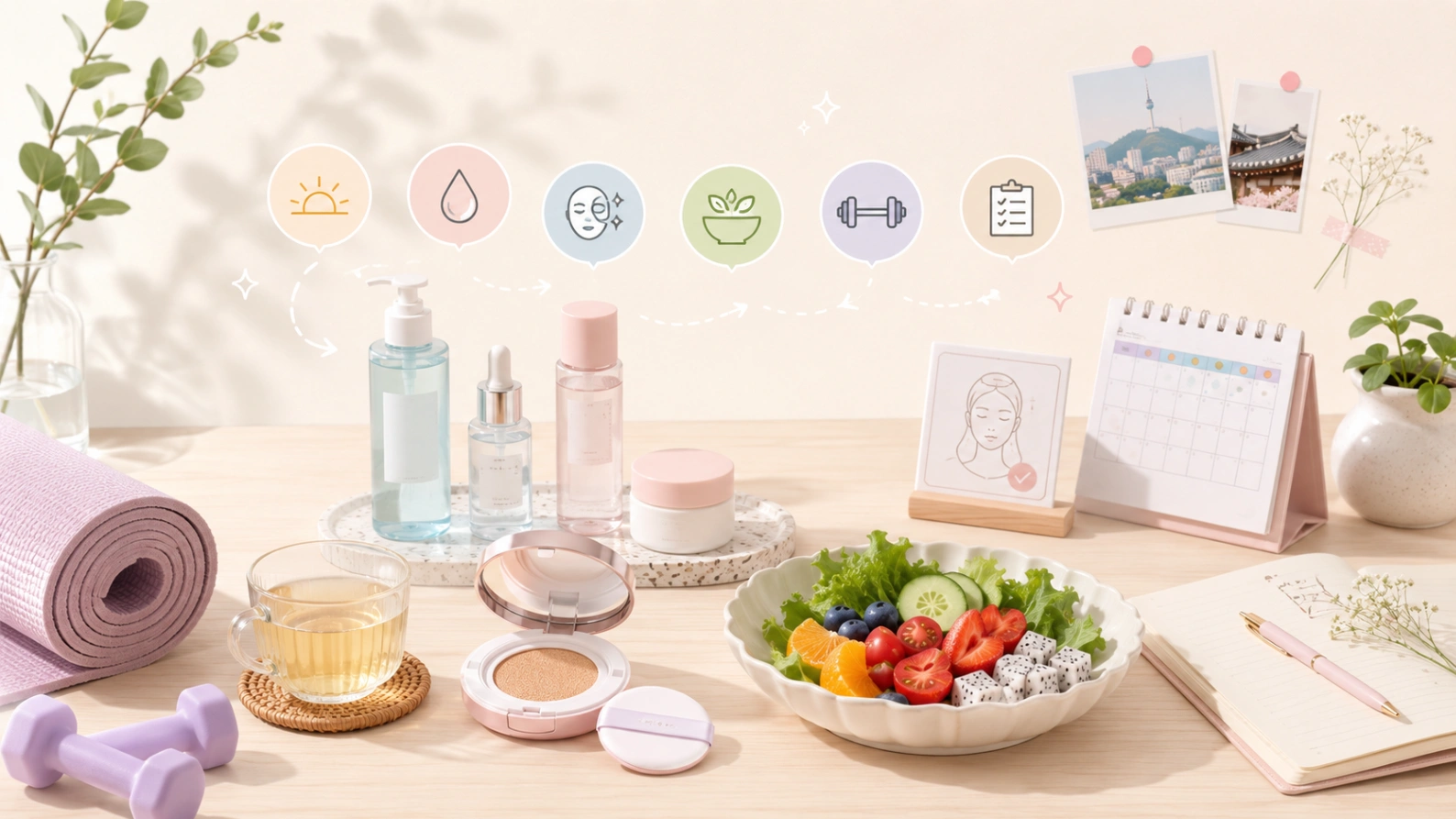
In Korea, people are more accustomed to 'daily management' rather than 'solving problems when they arise.'
The key is to use sunscreen throughout the four seasons and to focus on light makeup that prioritizes skin condition.
There is often a trend of managing diet, exercise, sleep, and stress together.
Why is sunscreen use throughout the four seasons fundamental?
The original text explains that in Korea, the habit of using sunscreen is not limited to summer but is practiced year-round. It is common to apply it before going out and to reapply it frequently while on the go.
It mentions the trend of using not only products but also physical barriers like umbrellas, hats, and sunglasses to reduce UV exposure, noting that people are mindful even on cloudy days or when sitting by a window.
Another key point is the approach of focusing on 'reducing skin damage' rather than 'adding' whitening products. It emphasizes the importance of proactive management, citing that UV rays can affect not only skin tone changes but also contribute to skin aging.
- Applying sunscreen before going out.
- Reapply with portable products (stick/cream)
- Use an umbrella, hat, and sunglasses for physical protection
- Consider exposure even on cloudy days or by the window
What is the routine of 'skin first, makeup light'?
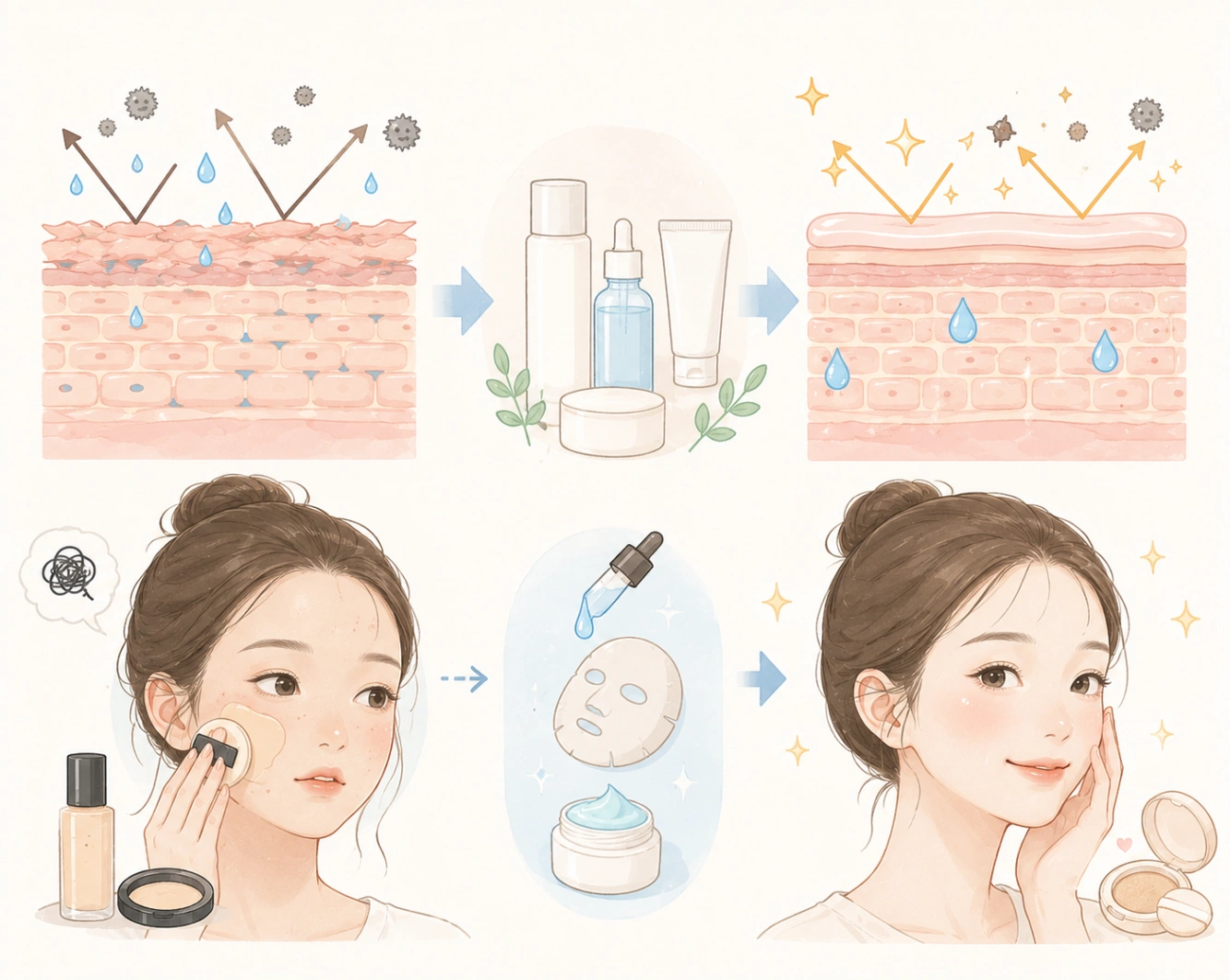
The original text points out that instead of a 'thick base,' a 'thin expression that makes the skin look good' is preferred. It explains the trend of achieving a clean and radiant look with a light base, like a single layer of cushion.
The key is to stabilize the skin condition through skincare and skin management rather than covering it with makeup. It emphasizes focusing on whether the skin feels comfortable after cleansing (moisture, barrier, calming) rather than how well the makeup applies today.
This approach is said to influence product selection as well. It mentions a tendency to prefer light and natural glowing bases rather than insisting on high-coverage products.
- Preference for thin and natural bases over thick coverage
- Prioritizing moisture, calming, and barrier condition
- Aiming for 'skin looks good' rather than 'makeup is pretty'
- When the skin condition stabilizes, makeup can become simpler
The perspective that diet management affects the skin
The original text mentions enjoying chicken, meat, and desserts, but gives an example of having 'light' meals during the weekdays. It explains the trend of reducing oil, salt, and sugar, and avoiding excessive consumption of sweet drinks over a long period.
It also mentions the importance of a diet that includes fresh fruits, vegetables, and protein. Examples of fruits include blueberries, tomatoes, apples, and kiwis, while protein sources include eggs, chicken breast, fish, and tofu.
The core message is not 'solving with one specific food' but 'the accumulation of long-term eating habits.' It summarizes the idea of adjusting daily intake before considering expensive products.
- Try meals that reduce oil, salt, and sugar
- Reduce sugary drinks and choose unsweetened beverages
- Add fruits and vegetables as snacks or for breakfast
- Make sure to include protein (eggs, fish, legumes, etc.)
Focus on 'condition' rather than weight when exercising

The original text explains that exercise has become a part of daily life in Korea. Gyms, running, hiking, cycling, and Pilates are frequently mentioned.
If you're short on time, you can do just 20 minutes or substitute with home workouts, and weekend plans can be 'walking or hiking' instead of 'meals'. The goal is to maintain a comfortable and toned body rather than short-term weight loss.
It is also suggested that skin condition is connected to overall health. When circulation and condition improve, the overall impression can appear more vibrant.
- If you're short on time, even a brief session (e.g., 20 minutes) is beneficial
- Substitute gym workouts with home workouts
- Plan activities like walking, hiking, or riding on weekends
- Focus on 'lifestyle habits' rather than 'short-term goals'
Dermatological care is more about 'long-term management' than 'solving problems after they arise'

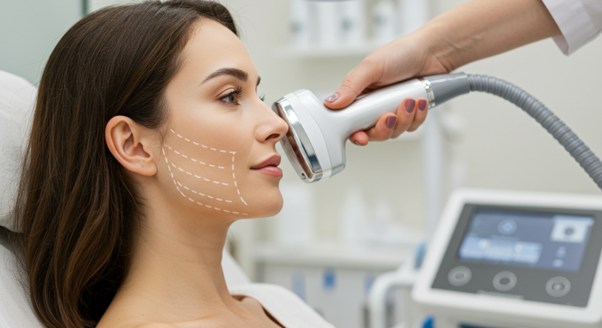
The original text explains that medical beauty and dermatological care is closer to long-term management that is adjusted steadily according to one's condition rather than a sudden change all at once. Examples include moisturizing care, basic energy-based management (original expression: basic phototherapy), and collagen management.
It also emphasizes that rather than following trends, the necessary care can vary based on individual skin types, lifestyles, and aging rates. Even at the same age, the required approach can differ.
You can summarize the flow of combining various treatments (basic skincare, dewy skin, light therapy, collagen treatments, etc.) tailored to your skin condition, adjusting the intensity according to age and needs.
| Access | Core Criteria | Examples (based on original text) |
|---|---|---|
| Short-term Supplementary Type | Covering/Compensating After Issues Arise | Thick Cover Makeup |
| Long-term Maintenance Type | Stably Maintaining Condition | Moisturizing care, basic light therapy, collagen treatments |
| Personalized | Varies by skin and lifestyle | Adjusting priorities for barriers/moisture/collagen, etc. |
Sleep and stress management are also part of the 'skin routine'
The original text emphasizes the importance of 'unwinding' during times like after work walks or alone time. It conveys the perspective that prolonged stress can affect both the skin and the body.
It is described that when stress is high or sleep is insufficient, changes in condition such as increased sebum, troubles, dullness, and sensitivity may occur. Therefore, it is also mentioned that dermatology consultations often inquire about lifestyle rhythms (sleep and stress).
The message that ‘regularity’ may be more important than ‘going to bed early’ is also a key point. It suggests establishing fixed sleep times, reducing frequent night owl patterns, and securing recovery time.
- Intentionally securing rest time
- Focusing on the ‘regularity’ of sleep time
- Reducing long-term overwork and continuous night shifts
- Checking condition changes along with lifestyle rhythms
Frequently Asked Questions (FAQ)
Is the reason for good skin in Korea due to ‘treatments’?
The original text views long-term management habits that include sun protection, skincare, dietary habits, exercise, and sleep/stress as a larger framework rather than explaining it solely by treatments.
Is sun protection only necessary in the summer?
The original text emphasizes that sun protection should be a basic practice throughout all four seasons. It is noted that attention is also paid on cloudy days or near windows.
Is there a reason to apply makeup thinner rather than thicker?
The original text explains that the focus is on stabilizing skin condition rather than just ‘covering’. The perspective is that if the skin is well-prepared, a light base can still create a neat impression.
How should I approach dermatological care?
The original text suggests long-term management that adjusts moisturizing, basic care, and collagen management ‘as needed’ based on individual skin conditions and lifestyle habits, rather than following trends. A specific plan requires consultation with an expert.
This content is intended for general informational purposes, and results and appropriate care may vary depending on individual skin conditions and lifestyle habits. Please consult a medical professional for an accurate diagnosis and treatment plan.