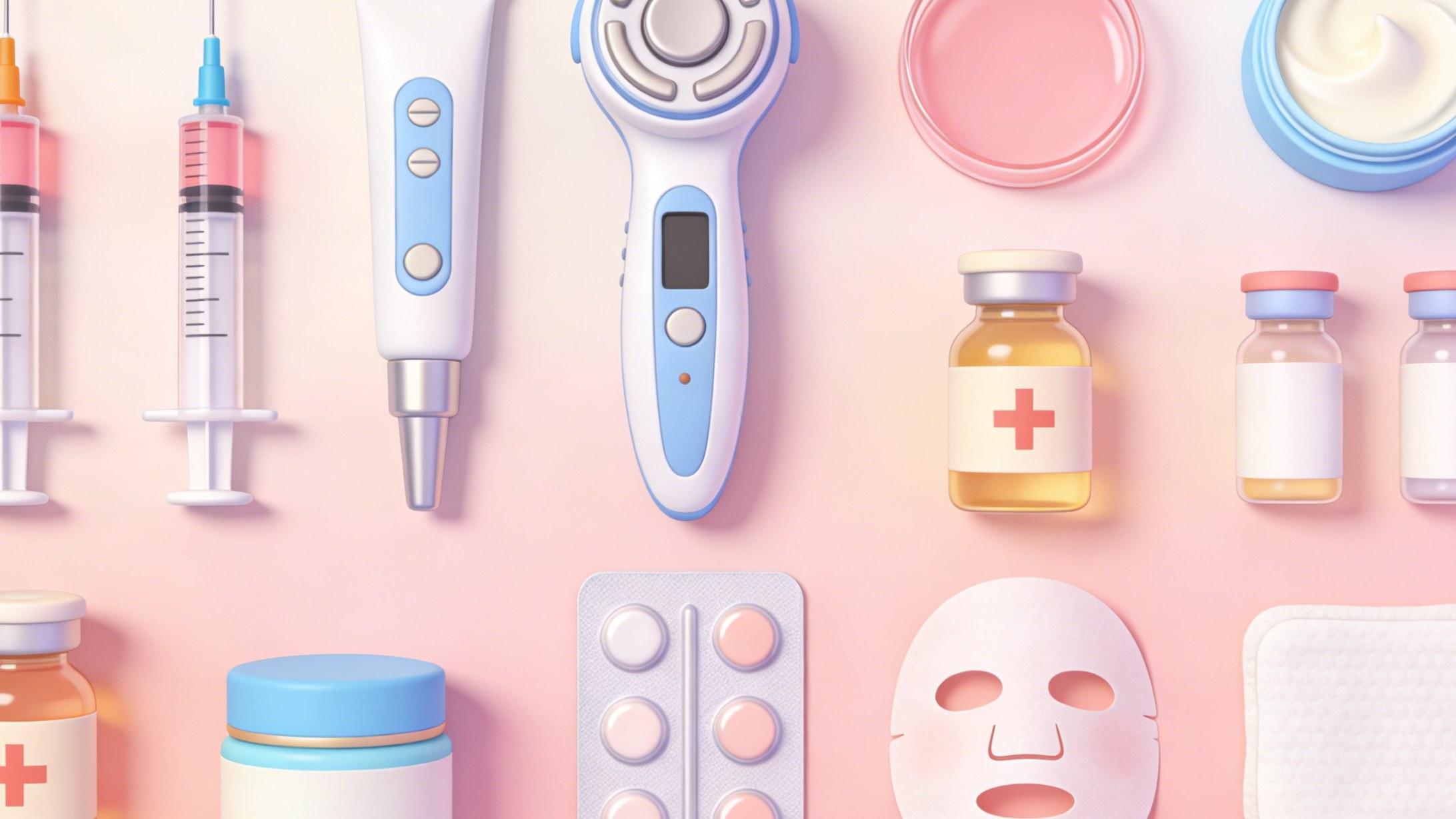
First Steps in Medical Aesthetics in Korea: What Treatments to Start With?
When considering medical beauty in Korea for the first time, there are many types, making it difficult to choose.
If you have a travel schedule, it's generally advisable to start with a 'basic or introductory' option that has a lower recovery burden.
This article organizes basic programs that beginners often choose by purpose.
What treatments are considered 'introductory' at first?
When doing medical beauty in Korea for the first time, it's more suitable to choose options that feel lighter overall and have less impact on your daily schedule rather than complex or high-intensity treatments.
Many people incorporate medical beauty between shopping and sightseeing, so a focus on stabilizing skin condition aligns better with travel than methods that feel overly transformative.
At the introductory stage, it's easier to understand if you focus on 'improving skin texture.' For example, starting with categories that have relatively low burdens, such as hydration, soothing, recovery (barrier care), and light elasticity care.
How to determine the direction based on my skin concerns
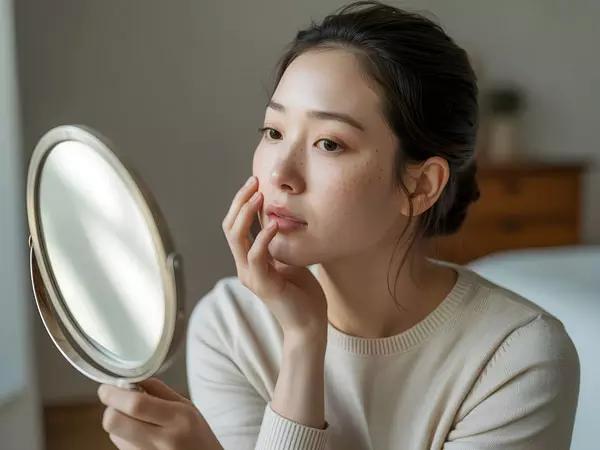
Everyone has different desired points; some may worry about pores and troubles, while others may be more concerned about dryness and dullness. Additionally, some may struggle with fine lines, loss of elasticity, or changes in contours.
Instead of just following trends, it becomes easier to choose if you first identify 'the one most uncomfortable thing right now.' Then, experiencing a basic program that matches that goal helps beginners find a routine that suits them without feeling overwhelmed.
- Concerned about pores and troubles: Consider skin condition management and basic care first
- Concerned about dryness, roughness, and dullness: Prioritize a hydration-focused program
- Sensitive, redness, and barrier instability: Approach with calming and recovery-focused management
- Concerned about fine lines, elasticity, and contours: Gradually consider light tightening and lifting options
What is skin care (basic skin care program)?
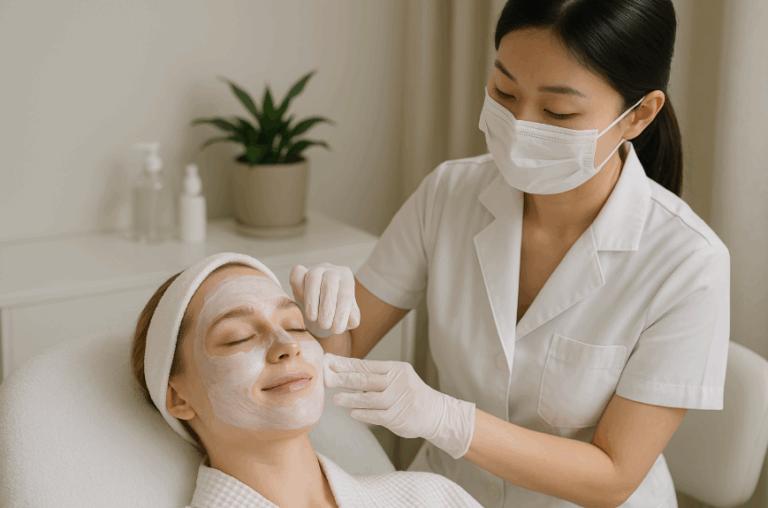
During travel, skin care (basic care) is often the lightest choice, giving a feeling of 'charging skin condition.' It is usually described as consisting of deep cleansing, hydration introduction, and calming care.
It is often guided more towards the purpose of organizing the skin condition and making it comfortable rather than a procedure. Recently, the trend of choosing this when conditions fluctuate due to fatigue, increased oil, or seasonal changes and travel is frequently mentioned.
- Deep cleansing focused
- Hydration (moisture) introduction focused
- Calming and cooling focused
- Overall skin condition management purpose
In what cases is a water glow injection (moisture injection) chosen?
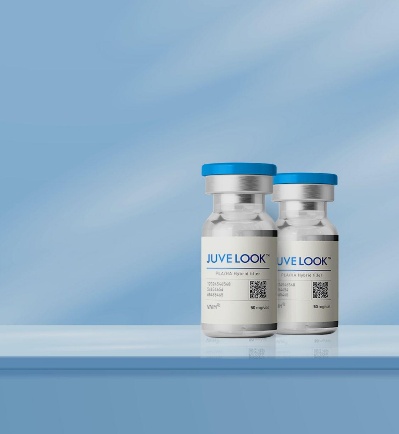
Mulgwangjusa is one of the representative programs often referred to as an 'introduction' in Korea, primarily aimed at replenishing moisture in the skin. It is considered in the context of concerns about dryness, roughness, and dullness.
It is said to have a variety of types, with options mentioned that emphasize not only basic moisturizing but also collagen-related treatments, skin foundation recovery, and long-term hydration.
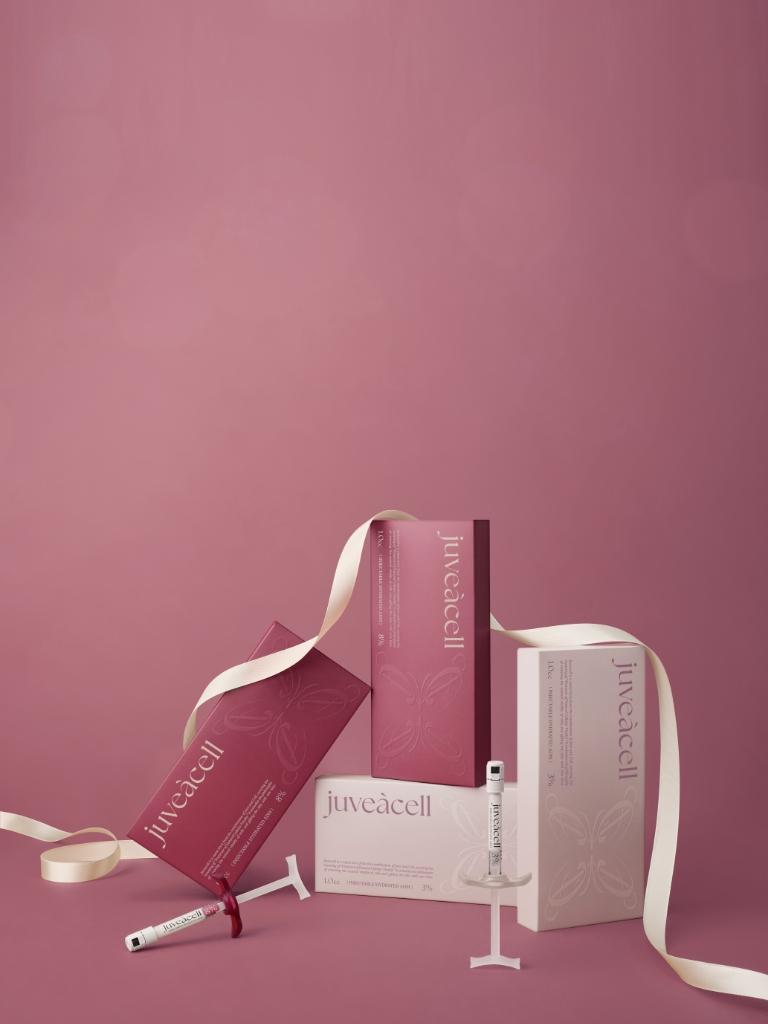
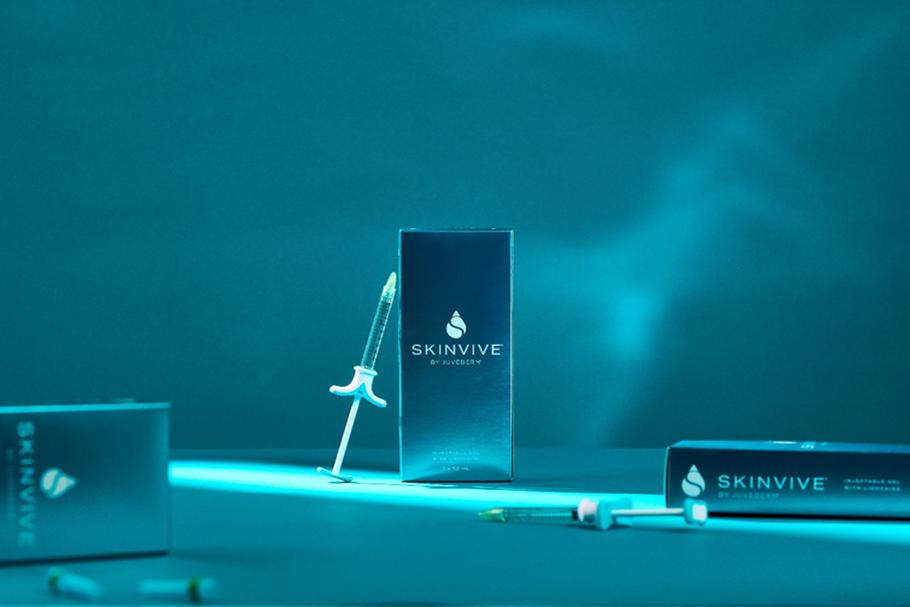
The original text introduces product/program names with different focuses as examples, such as Juvelook (emphasizing collagen-related stimulation along with moisturizing), JuveáCell (focusing on skin foundation structure recovery), and SKINVIVE (highlighting long-term hydration).
What does LDM ('Moisture and Recovery' series) feel like?
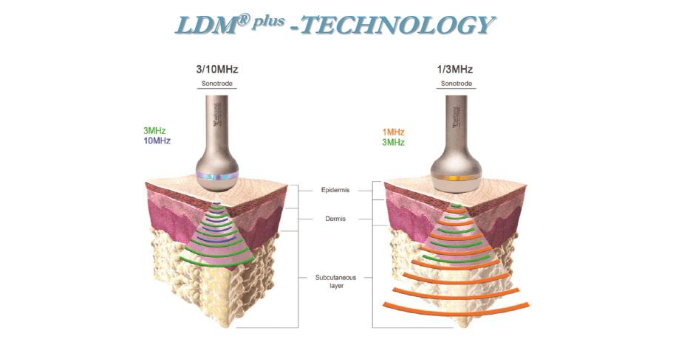
LDM is introduced as a recovery-oriented program and is also referred to by the nickname 'water droplet lifting.' It is explained that energy is delivered deep into the skin through high-density ultrasound vibrations.
The original text guides towards goals such as promoting collagen production, regulating internal moisture balance, and enhancing elasticity and moisturizing ability. It is summarized as being closer to 'deep recovery care' rather than a method that is strongly stimulating.
It is particularly described as a flow to consider in cases of sensitive skin, easy redness, weakened barriers, or recent unstable conditions.
When should lifting (tightening) series be considered?
The lifting series is introduced as a category that gains interest when concerns about 'contours' arise. It is in the context that it can be a choice when the jawline becomes unclear or the nasolabial folds become more pronounced as one ages, making the facial lines feel different from before.
The original text explains that various energy methods stimulate collagen regeneration to help improve sagging without surgery (non-surgically). The changes are expressed as making the lines appear 'sharper' rather than feeling excessive.
Examples include ONDA (3D RF/microwave energy, mentioned alongside localized fat concerns), Ultherapy (ultrasound targeting deeper layers), Thermage FLX (RF focusing on the dermal layer), and Titanium lifting (Titanium, simultaneous three-wavelength laser).
| Programs/Categories | Points emphasized in the original text | Mentioned in such concerns |
|---|---|---|
| Skin care | Deep cleansing · Moisturizing introduction · Focus on soothing | Unstable condition, oiliness/fatigue, light care during travel |
| Water glow injection | Hydration, improvement of dryness, roughness, and dullness | Expectations for moisture and glow in a short period, overall skin texture interest |
| LDM | Recovery nature, direction for improving moisture balance, elasticity/hydration ability | Sensitivity, redness, weakened barrier, unstable condition |
| Lifting series (ONDA/Ultherapy/Thermage FLX/Titanium, etc.) | Focus on contour and elasticity (collagen-related stimulation) | Concerns about blurred jawline, nasolabial folds, sagging, and early signs of aging |
Points to consider when incorporating medical beauty during travel
The tighter your travel schedule, the more helpful it is to start with a 'low-burden basic program.' The original text also suggests prioritizing options that have less recovery burden and less impact on the schedule.
Additionally, rather than setting the goal of 'doing a lot' for the first experience, it is safer to choose one that fits my concerns and focus on stabilizing my condition.
- First, decide on one concern that you want to improve the most right now.
- Consider categories that have less impact on your travel schedule (movement, shopping, sightseeing) first.
- Postpone options that feel overly stimulating to the next step.
- Stabilize your skin condition first, and upgrade gradually if necessary.
Related recommended procedures
Frequently Asked Questions (FAQ)
What order is best to start if it's my first time?
According to the original text, it is recommended to start with a basic program that stabilizes skin condition (skin care, moisturizing, calming, and recovery), and then gradually approach options like glow injections or lifting based on your concerns.
Is it possible to manage my schedule during the trip?
The original text explains that it is generally suitable to first choose a basic program that has 'less recovery burden and less impact on the schedule' during the trip. However, the experience may vary depending on individual skin conditions and chosen methods.
There are many types of glow injections; how do I choose?
The original text summarizes that in addition to basic moisturizing types, there are options emphasizing collagen-related treatments, skin foundation recovery, and long-term moisturizing. It suggests narrowing down categories based on your main concerns (dryness/skin texture/redness/roughness/initial elasticity) during the consultation.
Who is suitable for lifting?
The original text explains that lifting options are considered when there are concerns about blurred jawlines or prominent nasolabial folds. The choice of specific methods may vary based on individual conditions.
This content is for general informational purposes, and suitable procedures and management methods may vary depending on individual skin conditions and goals. Always consult a medical professional for accurate diagnosis and treatment plans.