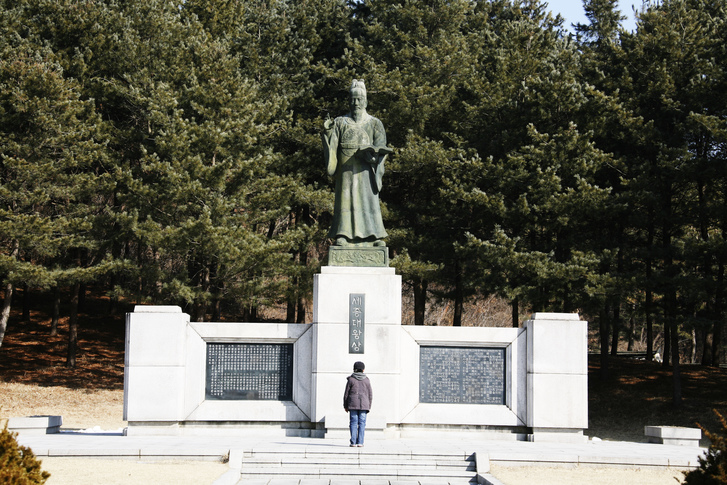
Benefits of Learning Hangul Before Traveling to Korea
Language is a barrier in traveling to Korea, but Hangul is relatively regular, making it easy for beginners to approach.
Understanding the history and structure of Hangul briefly makes reading signs, menus, and traffic signs much easier.
Experiencing writing Hangul directly during your travels helps in understanding Korean culture beyond just tourism.
Why is Hangul helpful for travelers?
For foreigners preparing to travel to Korea, language can be a significant barrier. However, Korea has a relatively easy writing system, represented by Hangul.
Even a little understanding of Hangul can lower the difficulty of travel, from finding directions to ordering menus, during a trip to Seoul or free travel in Korea. Knowing the basic structure is helpful even if you don't master it perfectly.
The Birth of Hangul: Easy to Read and Write for Everyone
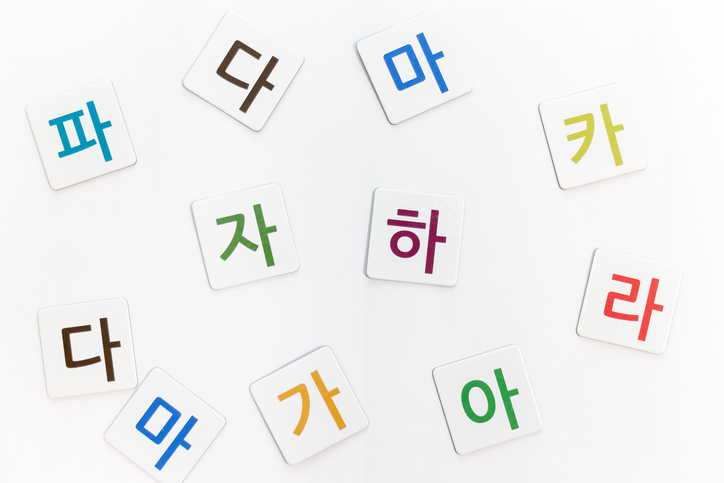
Hangul is a script created in the 15th century during the Joseon Dynasty, established by King Sejong so that the common people could read and write easily.
At that time, Chinese characters had to be used, making it difficult for ordinary people to learn to write, but Hangul was created based on sounds, making it relatively easy to learn. Due to this background, Hangul is sometimes evaluated as one of the 'scientific scripts.'
Structure of Hangul: The Combination of Consonants and Vowels is Key

Hangul is a method of creating a single character by combining consonants and vowels. The rules are relatively clear, which can help beginners read quickly.
For example, combining 'ㄱ' and 'ㅏ' forms '가'; knowing the combination principle can help you adapt quickly when looking at signs or menus.
| Separation | Key Points | Examples of Use in Travel |
|---|---|---|
| Historical Background | Created to be Easily Learned | Reduced Psychological Burden Regarding Script |
| Structure (Combination Principle) | Consonant + Vowel Combination | Start 'Reading' Signs and Menus |
| Practical Use in Travel | Many Everyday Notations | Help in Subways, Buses, and Restaurants |
When is Hangul needed during travel?
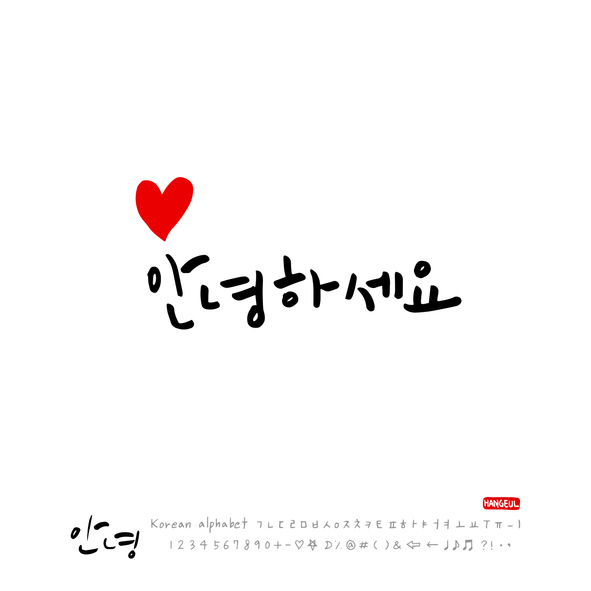
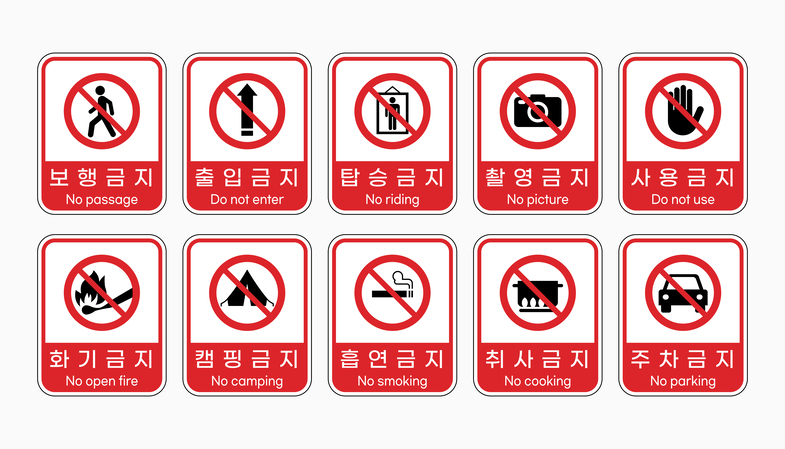
While traveling in Seoul, there are many situations where understanding Hangul is helpful. Hangul is used everywhere, such as in subway maps, bus stops, and restaurant menus.
There are cases where English is also provided, but in some areas, there may be only Hangul. Knowing even simple words can make it easier to find directions or enjoy popular restaurants.
- Subway Maps and Station Name Notations
- Bus Stop Announcements
- Restaurant Menus
- Street Signs and Notices
- Shopping Product and Guidance Texts
- Situations like Using Hospitals
The Charm of Hangul as Felt by Foreigners: From Script to Culture
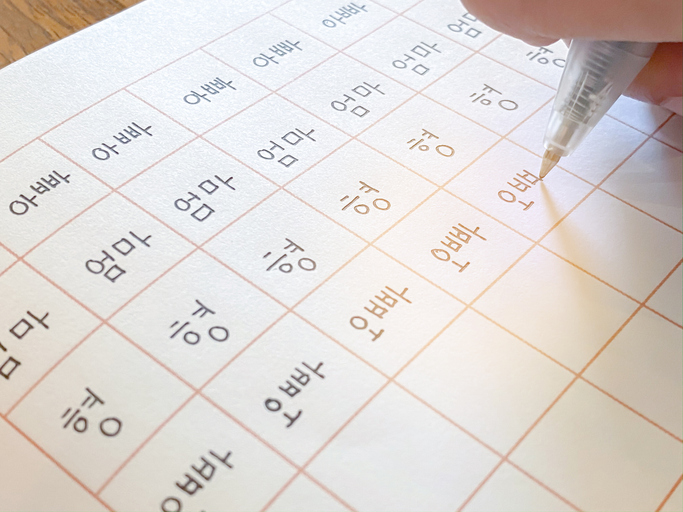
Many foreign travelers find Hangul to be a 'cute and unique script.' Especially, Hangul signs or souvenirs used as design elements are mentioned as popular items during travels.
This aspect connects to the characteristic that Hangul is recognized as a cultural content beyond just a simple script function.
Hangul Experience: Just Writing Your Name Changes Your Memory
Recently, there are various experiential programs where you can write or learn Hangul directly. Just writing your name in Hangul or learning simple sentences in a short time can make your travel memories more special.
Such experiences can help in understanding Korean culture beyond simple tourism.
Frequently Asked Questions (FAQ)
Is it helpful for travel even if I can't master Hangul perfectly?
It is advised that even if you don't learn it perfectly, just getting familiar with the basic structure can help in understanding signs, menus, and notices.
Where is Hangul particularly needed during travel?
It is explained that you often encounter Hangul in subway maps, bus stops, and restaurant menus. There may be places without English notation.
Why is Hangul considered relatively easy to learn?
It is suggested that the rules for creating characters by combining consonants and vowels are clear, and that it was created based on sounds.
What kinds of Hangul experiences are there?
Short experiences of writing your name in Hangul or learning simple sentences are mentioned. It is explained that such experiences can make travel more special.
This content is intended for general informational purposes, and individual travel experiences may vary based on personal travel itineraries and language environments. Please check the necessary information according to local guidance and situations during your travels.