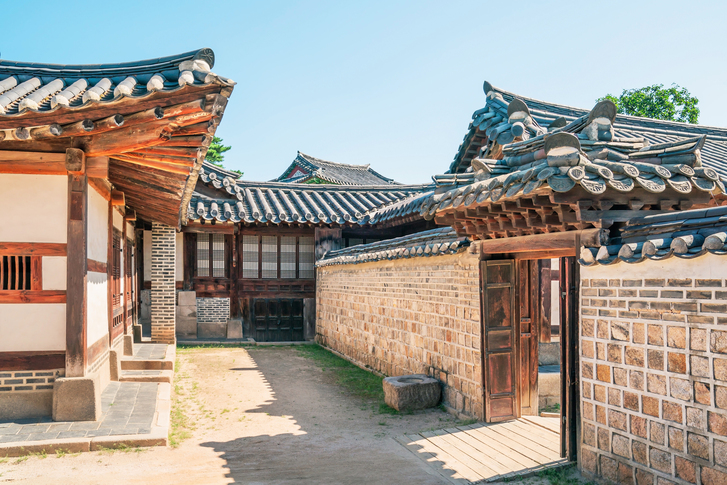
What Korean Literature Should You Read Before Traveling to Korea?
Understanding culture is as important as knowing tourist information; it changes the depth of your travel experience.
Korean literature reflects the lifestyles, values, and social atmosphere of different eras.
When you look at traditional, modern, and contemporary literature together, the landscapes during your travels will appear differently.
Reasons why Korean literature helps with traveling in Korea
Literary works encompass more than just simple stories; they capture the lives and thoughts of people from that time. Reading them before your trip provides clues to understand 'why such cultures emerged'.
Since Korea is a rapidly changing society, looking at literature from different eras helps you grasp how traditions and modernity have evolved. Knowing this background can make streets, architecture, food, and people's behaviors appear differently during your travels.
Points of traditional society viewed through Joseon Dynasty stories
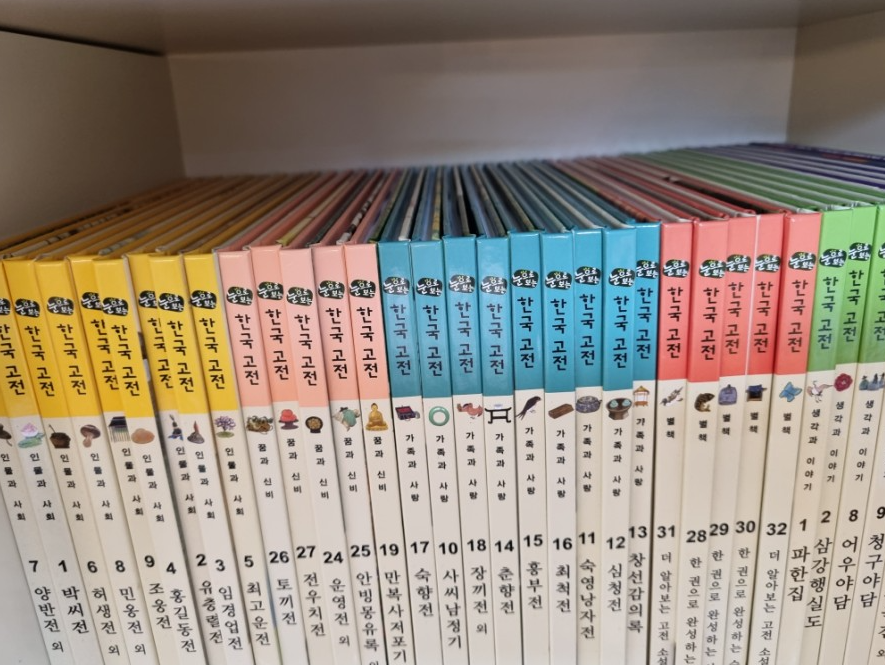
Korea's traditional literature reflects the class-based society and family-centered culture. Classic novels and folktales often reveal the norms and relationship dynamics of the time.
In particular, the emphasis on filial piety (the culture of respecting parents), etiquette, and community-centered values allows us to understand the atmosphere of traditional society.
- The structure and relationships of the class-based society
- The significance of family-centered culture
- The concept of filial piety (respecting parents)
- The role of etiquette and norms
- Community-centered values
Understanding modern and contemporary literature in relation to Korean society
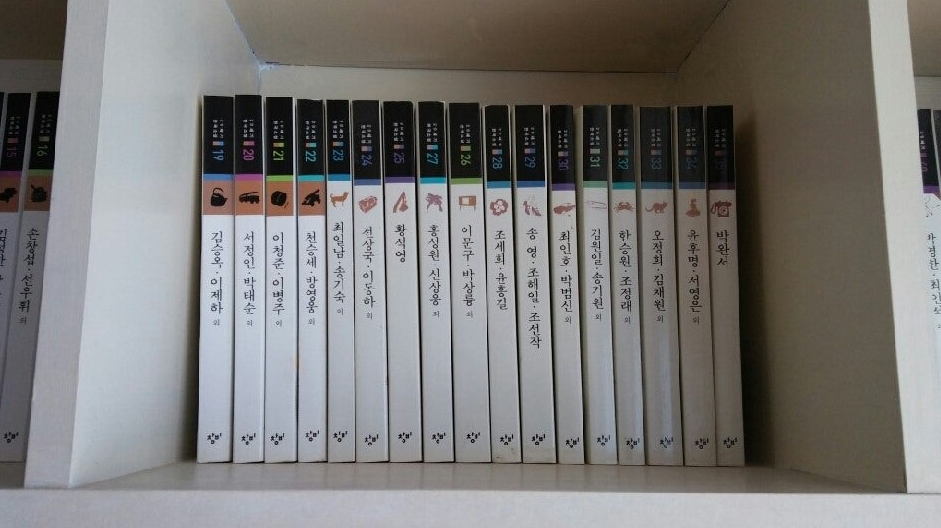
Korean literature after the 20th century reflects a society that has undergone significant changes such as the Japanese colonial period, wars, and industrialization. Works from this period often address realistic issues and personal lives.
This can help us understand the process through which today's Korean society has been formed. During free travel in Korea, the perspective on the rapid development of cities alongside remaining traditional elements also broadens.
Today's daily life and emotions as seen through modern literature
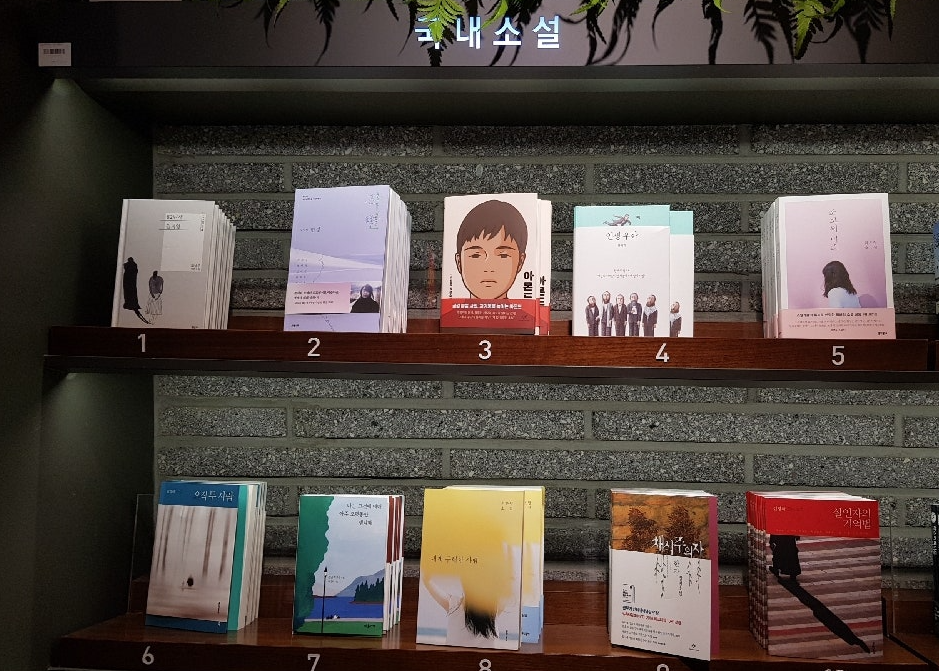
Recently, Korean literature often deals with personal emotions, human relationships, and social issues. There is a trend that particularly highlights the concerns and daily lives of the younger generation, as well as the competitive nature of society.
Knowing this background can help interpret modern elements experienced during a trip to Seoul, such as café culture, workplace life, and human relationships.
Ways to experience literature while traveling (course ideas)
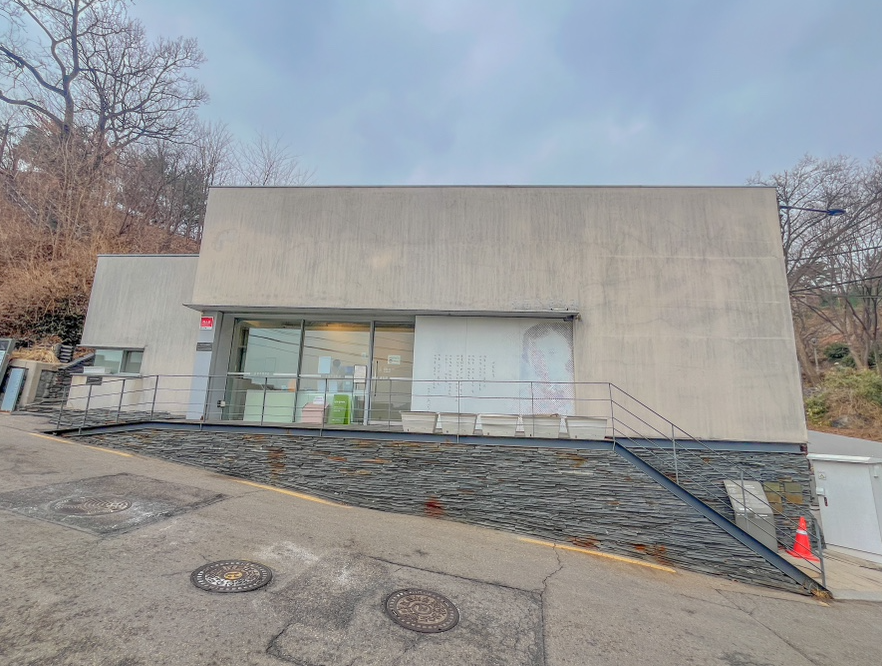
In Korea, there are various spaces related to literature. Places like the writer's birthplace, literary museums, and bookstore streets can lead to cultural experiences beyond simple tourist attractions.
If you combine visits to restaurants or cafes with small bookstores or cultural spaces, it helps to adjust the pace and atmosphere of your trip.
- Visit the author's birthplace
- Explore the literary museum
- Stroll through the bookstore street
- Add a small bookstore to your cafe and restaurant itinerary
- Create a day course with cultural spaces
Compare traditional, modern, and contemporary literature (applicable to travel)
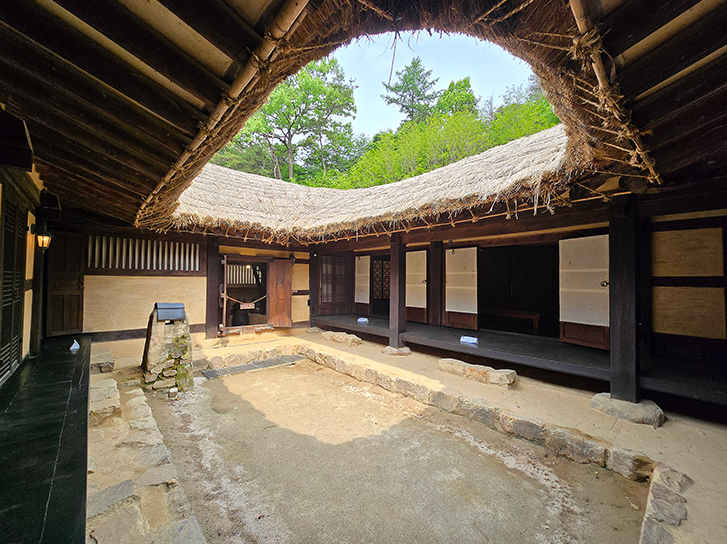
If you're unsure which era's literature to read before your trip, it's convenient to choose based on the 'scenes you want to see during your travels.' The comparison below is organized to connect literature with travel appreciation points.
| Category | Main content | Points connected to travel |
|---|---|---|
| Traditional literature (Joseon Dynasty, etc.) | Class system, family-centered, filial piety, etiquette, community values | Appreciation of traditional spaces like Hanok villages and palaces |
| Modern literature (after the 20th century) | Social changes such as the Japanese colonial period, war, and industrialization | Understanding the coexistence of urban development and tradition |
| Modern literature | Personal emotions, relationships, social issues, and the concerns of the younger generation | Observing cafe culture, work life, and relationship dynamics |
Understanding literature can change your travel experience
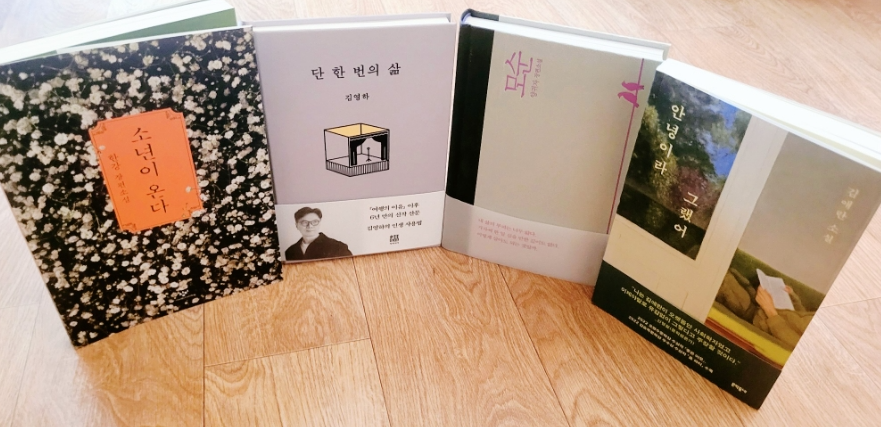
While practical information such as using hospitals in Korea, transportation, and shopping is important, understanding the culture can greatly enhance the depth of your travel. By understanding the mindset and emotions of Koreans through literature, communication and everyday experiences can feel more natural.
Traveling in Korea can be more than just a visit; it can be an experience of entering a story. By using literature as a 'travel guide', the same place can take on a different meaning.
Frequently Asked Questions (FAQ)
Do I have to read literature before traveling to Korea?
It's not mandatory, but it can help you understand the culture and people's thoughts. Knowing the background can make streets, architecture, food, and behaviors appear differently during your travels.
Which era's literature should I start reading?
It's convenient to choose based on the scenes you want to see during your trip. If you're interested in traditional spaces (hanok, palaces), traditional literature is helpful; if you're interested in urban changes, modern literature; and if you want to know about current daily life, contemporary literature can be useful.
Are there places to experience literature during my trip?
You can look for literary-related spaces such as the author's birthplace, literary museums, and book street. It's also nice to combine visits to cafes or popular eateries with small bookstores and cultural spaces.
How does literature enhance our travel experience?
It helps us understand backgrounds such as the changes between tradition and modernity, values, and ways of relating to one another. As a result, we can view the same landscape while contemplating 'why it was formed this way.'
This content is intended for general informational purposes, and perceptions and interpretations may vary based on individual circumstances and interests. Adjust your travel plans according to your schedule and preferences.