How to Use the Subway in Korea: Cards, Lines, and Etiquette
In major cities in Korea, the subway is a fast and accurate mode of transportation.
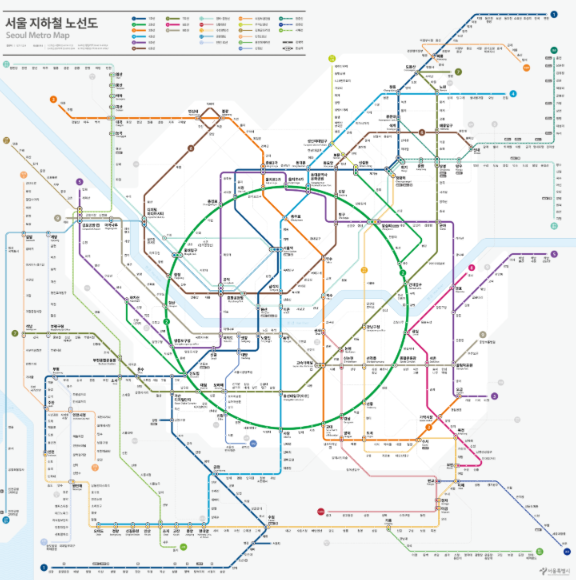
Even for first-time users, it is easy to adapt thanks to route colors, station numbers, and multilingual guidance.
Just remember to get a transportation card, be aware of transfer points, rush hours, and the last train to make your travel easier.
- ✓Rush hour: 07:30~09:00 / 18:00~19:30
Is the Korean subway easy for foreigners to use?
If you are planning a trip to Korea, the subway is a transportation method you must be familiar with. Especially in major cities including Seoul, it is introduced as a fast and relatively accurate way to get around.
The subway is well-established in most major cities such as Seoul, Busan, and Daegu, and it is known for its punctuality. Although it may feel unfamiliar at first, the key point is that you can adapt by using apps or subway maps.
- The routes are color-coded, making them easy to understand.
- Guidance is provided in English, Chinese, and Japanese.
- The transfer system is well organized, making it convenient to move around.
Single-use tickets vs transportation cards, which is more convenient?
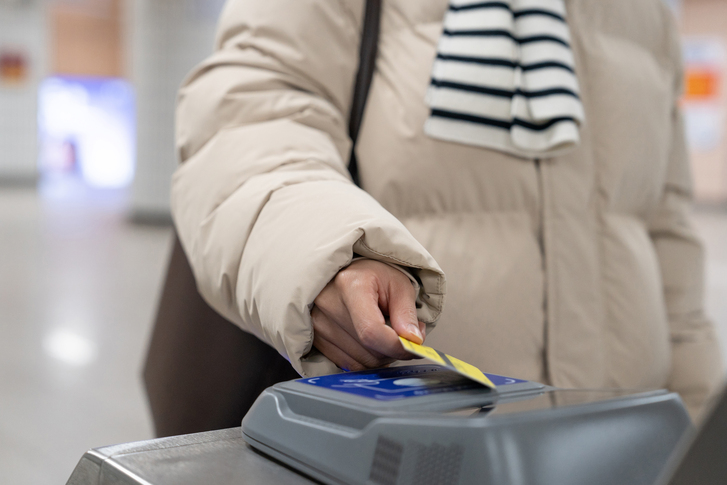
In Korea, the subway can be used with either a single-use ticket or a transportation card. For short, one-time trips, a single-use ticket is recommended, while a transportation card is more convenient for multiple trips.
It is generally recommended for travelers to use a transportation card. The advantages include seamless transfers and bus connections, as well as not having to purchase a ticket each time.
| Category | Single-use ticket | Transportation card |
|---|---|---|
| Recommended situations | Short-term users | Travelers making multiple trips |
| Usage range | One-time subway use | Mostly usable on buses and subways |
| Transfers | (No mention) | Automatic discounts apply during transfers |
| Purchase/Recharge | (No mention) | Available for purchase/recharge at airports and convenience stores |
How to read the subway map: colors, station numbers, transfer stations
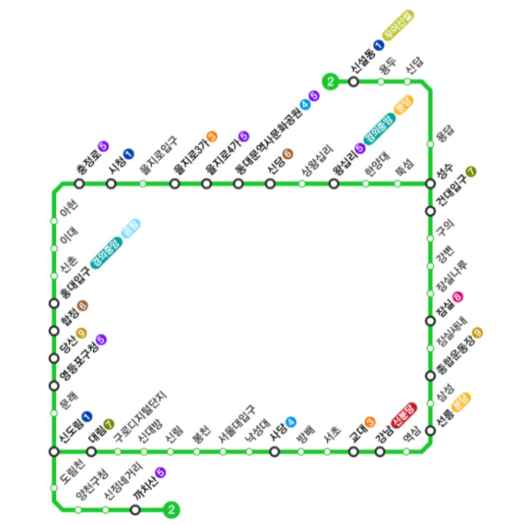
The Korean subway system may seem complicated at first glance. However, once you grasp the concepts of line colors, station numbers, and transfer stations, it becomes much simpler.
For example, 'Line 2' is marked in green and is known for passing many major tourist attractions. Additionally, there is an 'exit number' system that helps you find your way to your destination.
- Each line has its own unique color
- Each station has a number, making it easy to find
- Transfer stations are points where multiple lines intersect
- Checking the exit number makes accessing your destination convenient
Subway etiquette: food, seats for the elderly and disabled, and phone calls
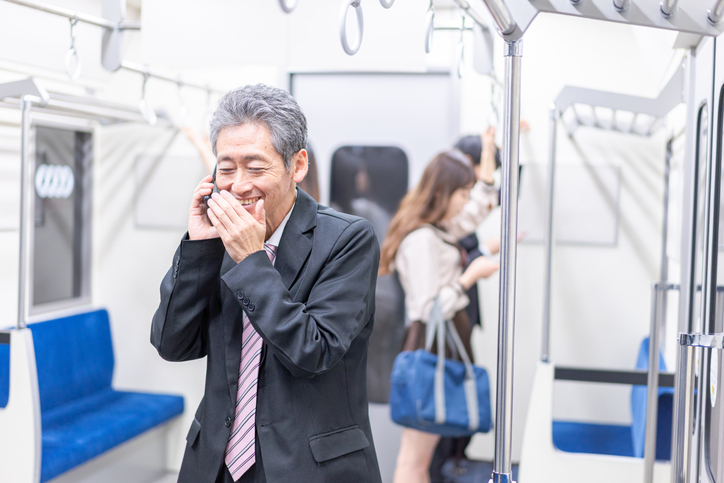
The Korean subway is relatively well-regulated regarding usage rules. Knowing the basic etiquette can enhance your experience.
Especially during busy hours, small actions can affect those around you, so it's advisable to follow simple rules.
- Eating food on the subway is discouraged.
- Keep the priority seats empty
- Speak quietly during calls
Rush hours, transfers, and last trains: points travelers often overlook
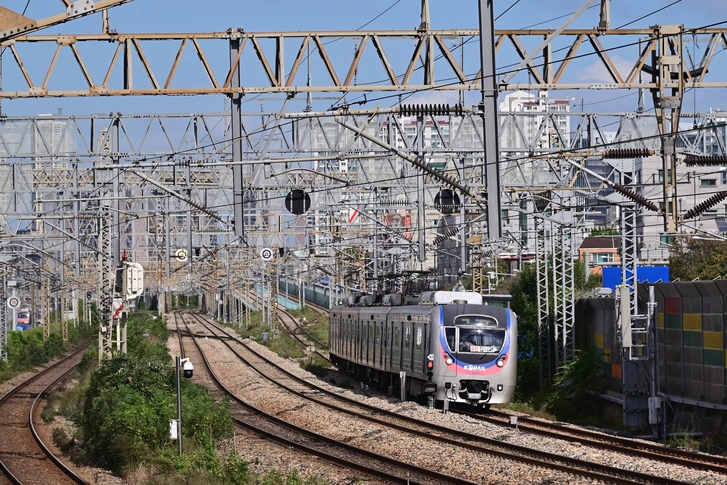
It is advised to avoid commuting times as they are very crowded. The busy hours are indicated as 07:30-09:00 and 18:00-19:30.
Additionally, it is helpful to allow ample time for transfers. If you have late travel plans, it is emphasized that checking the last train times in advance is important.
- Avoiding commuting rush hours (07:30-09:00 / 18:00-19:30)
- Utilize map apps (Google Maps, subway apps)
- Search by 'station number' rather than 'station name'
- Allow ample time for transfers
- Check the last train times
Frequently Asked Questions (FAQ)
Is the Korean subway difficult for foreigners?
It is indicated that the lines are distinguished by color, and station numbers and multilingual guidance (English, Chinese, Japanese) are provided, making it possible to adapt even for first-timers.
Which is better, a single-use ticket or a transportation card?
For short-term use, a single-use ticket is recommended, while travelers making multiple trips find a transportation card more convenient. The advantages of a transportation card include automatic discounts during transfers, shared use for buses and subways, and no need for repurchase.
How can I quickly understand the subway lines?
By focusing on the line colors, station numbers, and transfer stations, the complexity decreases. Additionally, checking the exit numbers makes it easier to find your way to your destination.
When is it the most crowded?
Rush hours (07:30~09:00 / 18:00~19:30) are very congested, so it is advisable to avoid these times if possible.
This content is intended for general travel information purposes and may vary depending on the actual situation (line operation, congestion, guidance methods, etc.). Please check the relevant transportation operation guidance and on-site signage for accurate usage information.