How to Manage Your Skin Type: What’s Right for You?
Expensive skincare and trendy treatments may not be suitable for my skin.
Effective management starts with identifying your skin type and the causes of current issues.
Choosing a program that fits your lifestyle (available rest time and level of busyness) reduces excessive management.
When expensive cosmetics and trendy treatments are not the answer
High-priced skincare or 'hot' treatments are not suitable for all skin types. If you have been managing your skin for a long time but still find it hard to feel improvement, it may be because you do not fully understand your skin.
The key is to ① accurately know your skin type, ② organize the causes of the problems you are currently experiencing, and ③ choose a program that fits your face and lifestyle rhythm.
How can I distinguish my skin type?
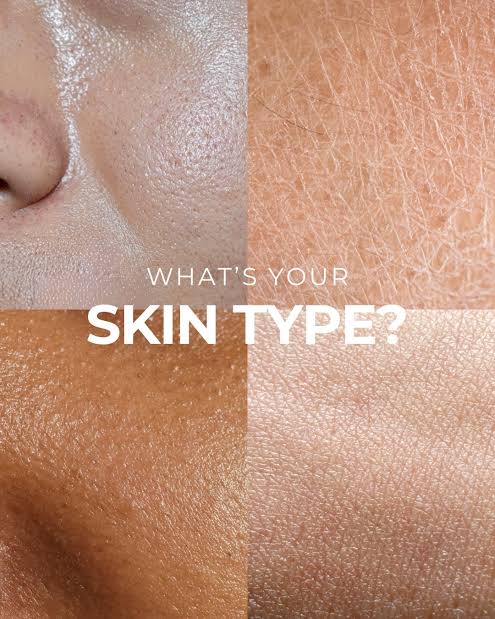
The necessary products and management direction vary according to skin type. First, classify your skin based on its characteristics (oiliness, tightness, irritation response, elasticity changes).
Below is a summary of the characteristics and basic care points for typical skin types presented in the original text.
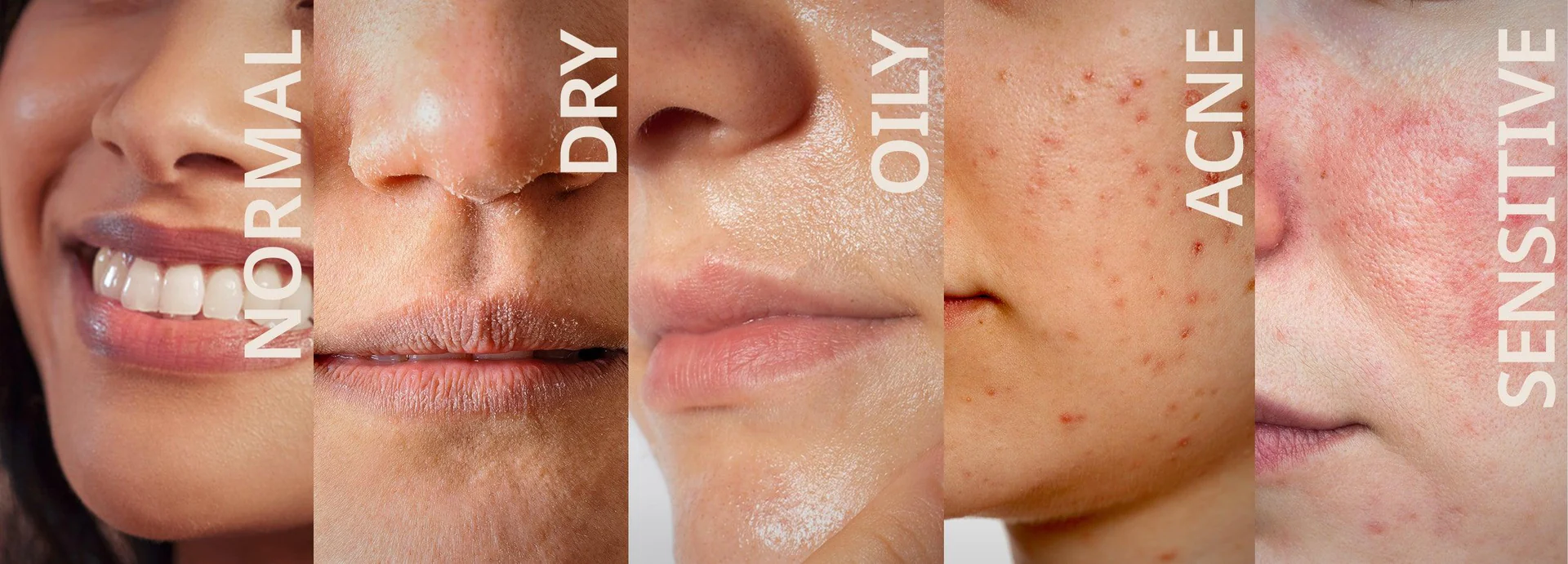
- Normal: Soft with minimal dryness and oiliness → Basic moisturizing and balance maintenance
- Oily: Shine, pore concerns, tendency for breakouts → Gentle cleansing, oil control, exfoliation
- Dry: Tightness, flakiness, lack of oil → Deep moisturizing, use of oils/creams
- Combination: Oily T-zone, dry/normal cheeks → Moisturizing and oil management by area
- Sensitive: Redness, irritation, itching → Gentle products, avoid alcohol/fragrance, patch testing
- Aging skin: Wrinkles, loss of elasticity, decreased moisture → Antioxidants, retinol, deep moisturizing
Why is it important to look at the 'cause' of skin problems?

Even if you feel that 'your skin is bad' on the surface, the actual cause may be different. Identifying the cause can help reduce excessive care or inappropriate approaches.
The original text provides examples of possible connections (individual differences may apply).
- Repeated acne → May indicate a weakened skin barrier
- Dull skin → May be related to lack of moisture + lack of sleep
- Prominent pores → May be related to excess oil + decreased collagen
- Feeling sagging → May be related to age-related collagen loss
- Becoming sensitive → May be related to excessive care or incorrect treatments.
How to Choose a Program That Fits Your Lifestyle

Not everyone needs fillers, lifting, or strong lasers. It is important to choose based on your skin condition and lifestyle patterns (overtime, stress, available rest time).
The examples provided in the original text focus on setting a direction, such as 'prioritizing skin recovery and hydration' or 'light lifting'.
- Frequent all-nighters and stress: prioritize recovery and hydration, consider LDM or skin boosters.
- Light sagging begins: light lifting + collagen stimulation direction.
- Busy with little rest time: prefer programs with relatively short downtime.
- Face is small but lacks elasticity: be cautious of excessive fat reduction and overuse of strong lifting.
Comparison of treatments frequently mentioned by skin type/condition.

The table below rearranges the programs suggested in the original text along with their 'priorities' by skin type/condition. Actual choices may vary based on skin condition and consultation results.
For oily skin, the emphasis is on balancing oil and moisture rather than 'drying out the skin'. It is also mentioned that for sensitive skin, 'recovery' comes first before other concerns (blemishes, anti-aging, etc.).
| Skin Type/Condition | Priority Goal | Examples of Programs Mentioned in the Original Text |
|---|---|---|
| Oily/Combination | Oil control and deep cleansing. | Skin care (deep cleansing), aqua peel/hydra facial, oil and pore laser, moisturizing skin booster |
| Sensitive skin | Barrier recovery and soothing | LDM, LED therapy, recovery skin booster, moisturizing and recovery care |
| Lack of moisture and dullness | Improvement of skin moisture and condition | Skin booster (for moisture/glow), mesotherapy, vitamin and regeneration care |
| Aging skin | Collagen stimulation and elasticity | Ultherapy, Thermage FLX, titanium lifting, collagen booster |
Caution: To reduce excessive treatments and following trends

The core message of the original text is 'Choosing according to my skin and my rhythm.' It is especially important to be cautious of approaches that excessively dry oily/troubled skin or repeatedly apply strong stimuli to sensitive skin.
The following items summarize points to check during the selection process based on the original content.
- Just because you have oily skin doesn't mean you should make your skin 'dry' unconditionally.
- Just because you have trouble doesn't mean you should repeatedly use strong treatments unconditionally.
- For sensitive skin, avoid alcohol and fragrances, and consider patch testing.
- For concerns about sagging and elasticity, plan for natural improvements rather than drastic changes.
- If you have a busy schedule, consider adjusting the intensity of the program to allow for rest time (downtime).
- In addition to cosmetics and treatments, also check lifestyle factors such as sleep, stress, and eating habits.
Frequently Asked Questions (FAQ)
If I have oily skin, is it better to cleanse harshly to remove excess oil?
The original text explains that the key to managing oily skin is not 'drying out the skin' but rather helping to balance moisture and oil levels for skin stability.
What should I prioritize first if I have sensitive skin?
The original text recommends prioritizing barrier recovery and calming before addressing other concerns for sensitive skin. It also suggests avoiding alcohol and fragrances and recommends patch testing.
If my skin looks dull, what could be the cause?
The original text gives examples that dullness can be related to lack of moisture and sleep. It suggests checking your lifestyle patterns and moisturizing status together.
I often find it hard to take breaks due to lack of time; how should I choose a program?
The original text suggests that those with busy schedules should prefer programs with relatively short downtime for quicker recovery, considering that they have less time for rest.
This content is for general informational purposes and may vary based on individual skin conditions and lifestyles. Always consult a medical professional for accurate diagnosis and treatment management.